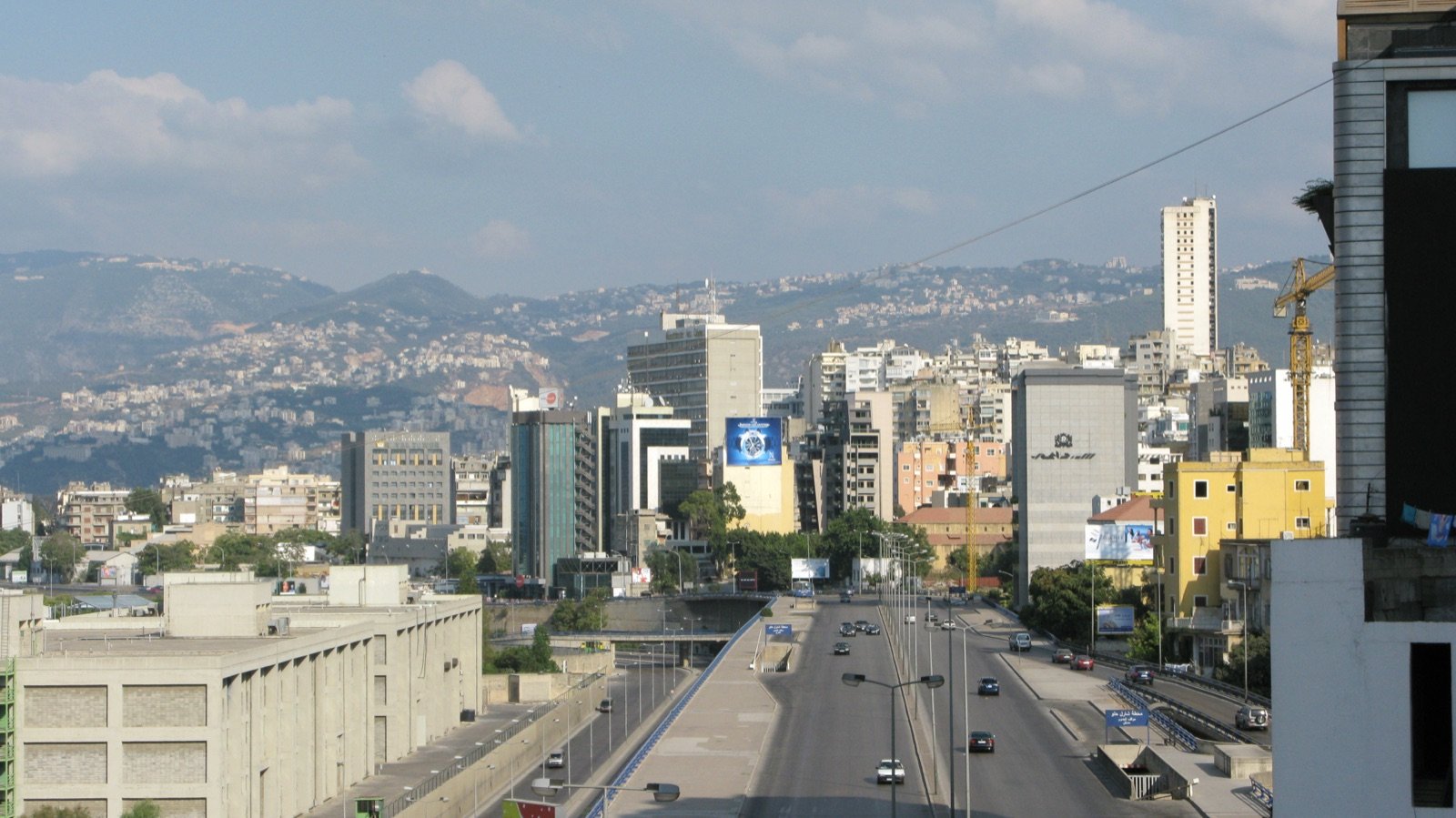
Beirut is the capital and largest city of Lebanon, situated on a small peninsula overlooking the Mediterranean Sea. It is among the oldest continuously inhabited cities in the world, mentioned as «Beruta» in the Egyptian Amarna letters dating to the 14th century BC, and has been shaped over time by Phoenician, Roman, Arab, and Ottoman civilizations.
A City of Resilience on the Mediterranean
Beirut flourished in the mid-20th century as a leading financial, cultural, and media hub of the region, earning it the nickname «Paris of the Middle East», before enduring difficult years during the Lebanese Civil War (1975-1990). Despite repeated setbacks, including the 2020 Beirut port explosion, the city has remained a symbol of vitality and recovery, and its historic downtown has seen extensive restoration of its Ottoman- and French-era buildings.
- Historic downtown Beirut with its restored Ottoman and French-era architecture
- The famous Pigeon Rocks (Raouché) overlooking the Mediterranean
- The National Museum of Beirut, home to the region's ancient artifacts
- The seaside Corniche, a daily gathering place for residents
Beirut is home to the neighboring Mohammad Al-Amin Mosque and St. George Maronite Cathedral at the heart of the city, a striking symbol of Lebanon's religious and cultural diversity. The city remains an important center for publishing, the arts, and nightlife in the Arab world.