Berlin is the capital and largest city of Germany, situated on the banks of the Spree River in the country's northeast. The first documented mention of the city dates to 1237, and linguists trace its name to an old Slavic root meaning «swamp», reflecting the marshy ground the settlement was built on — not from the German word for bear, even though a bear became the city's heraldic symbol.
From a Divided City to a Reunified Capital
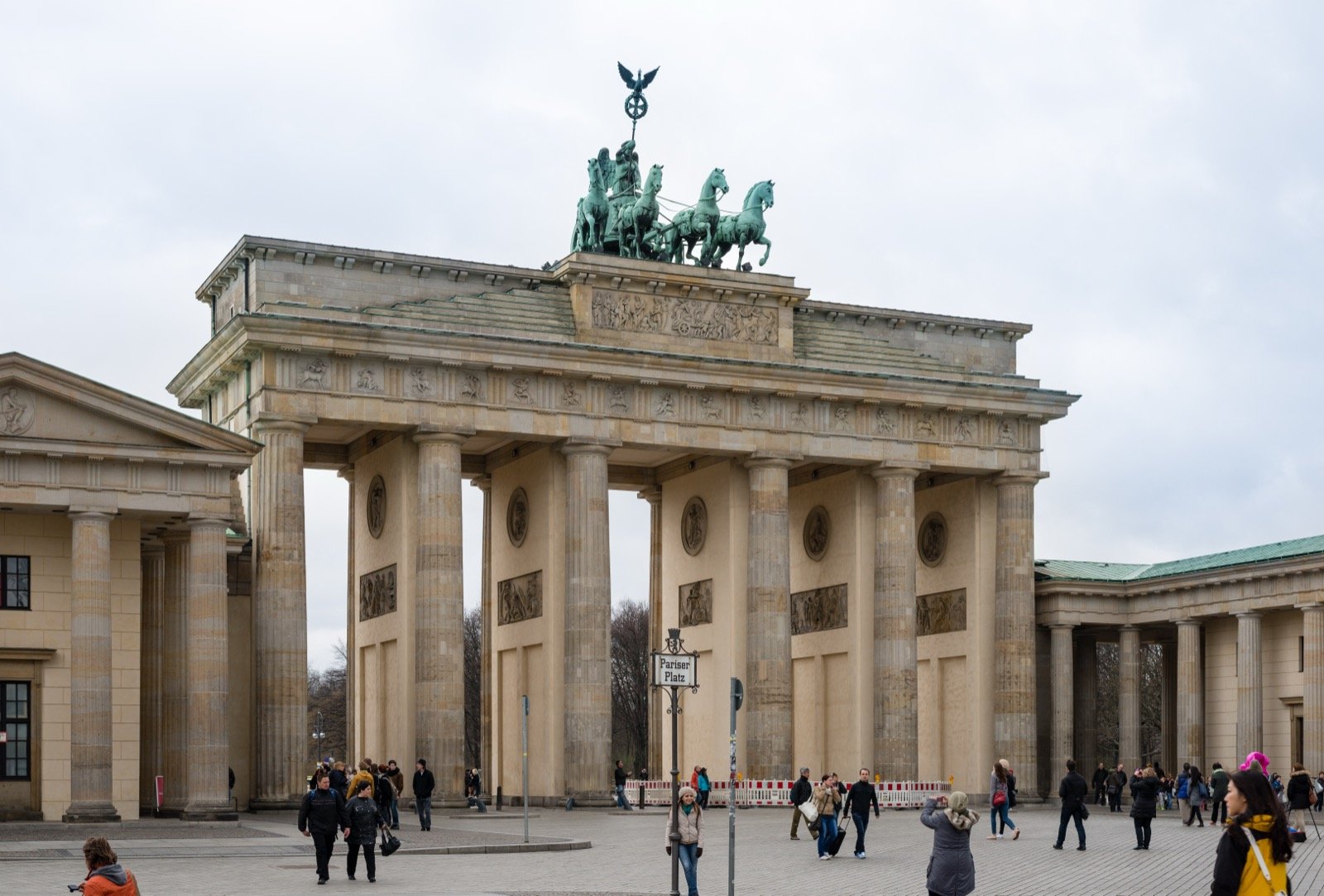
Berlin lived through one of modern history's most dramatic chapters when it was split after World War II into eastern and western sectors, separated in 1961 by the «Berlin Wall» until its fall in 1989 — an event that reshaped Europe. Today the city preserves sections of the wall as a memorial, alongside the «Brandenburg Gate», which became a symbol of German unity.
- Museum Island, a UNESCO-listed complex of five world-class museums
- The Brandenburg Gate, a historic emblem of the city and of German unity
- Surviving stretches of the Berlin Wall now form an open-air gallery known as the «East Side Gallery»
- A pulsing arts and music scene that draws young people from around the world
Berlin today is known for its diverse cultural scene, experimental theatre, nightlife that never seems to sleep, and its role as a leading European hub for startups and technology.