
Riyadh is the capital of Saudi Arabia and its largest city, sitting at the heart of the Najd plateau in central Arabia. The modern city grew from an old settlement known as "Hajr al-Yamamah" and became the seat of the House of Saud after the Kingdom's unification in 1932. Today Riyadh is undergoing rapid urban and economic growth driven by Vision 2030, which aims to diversify the economy beyond oil.
From Diriyah to a Modern Capital
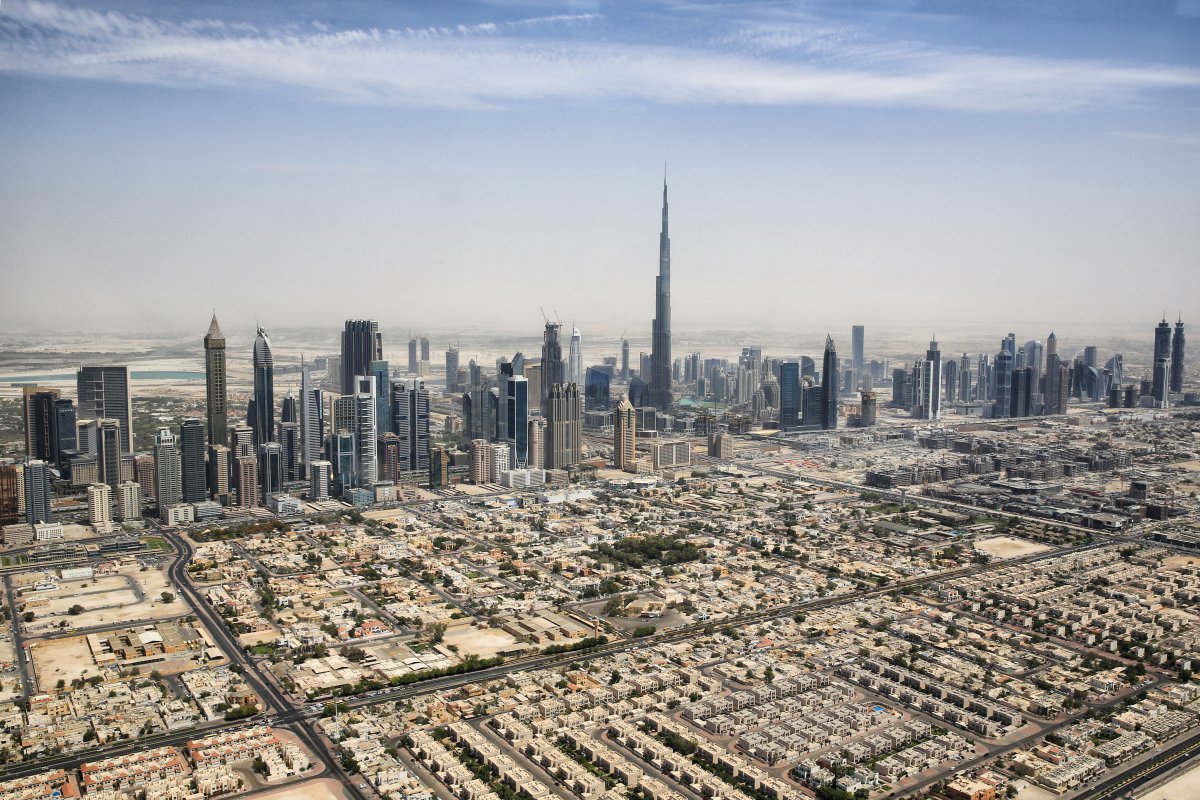
Diriyah, birthplace of the first Saudi state, remains central to Riyadh's identity — its historic At-Turaif district features mudbrick architecture inscribed as a UNESCO World Heritage Site. In sharp contrast, glass towers now rise in the King Abdullah Financial District and Olaya, reflecting the city's ambition to become a global financial and business hub.
- Kingdom Centre Tower, one of the city's most recognizable landmarks
- The historic At-Turaif district in Diriyah, a UNESCO World Heritage Site
- The National Museum of Riyadh, tracing the history of the Arabian Peninsula
- Mega-projects such as Riyadh City Boulevard and Qiddiya
Riyadh's population exceeds seven million, making it one of the fastest-growing cities in the world. It hosts major annual events like Riyadh Season, drawing millions of visitors, and is home to King Saud University along with numerous government and diplomatic institutions.