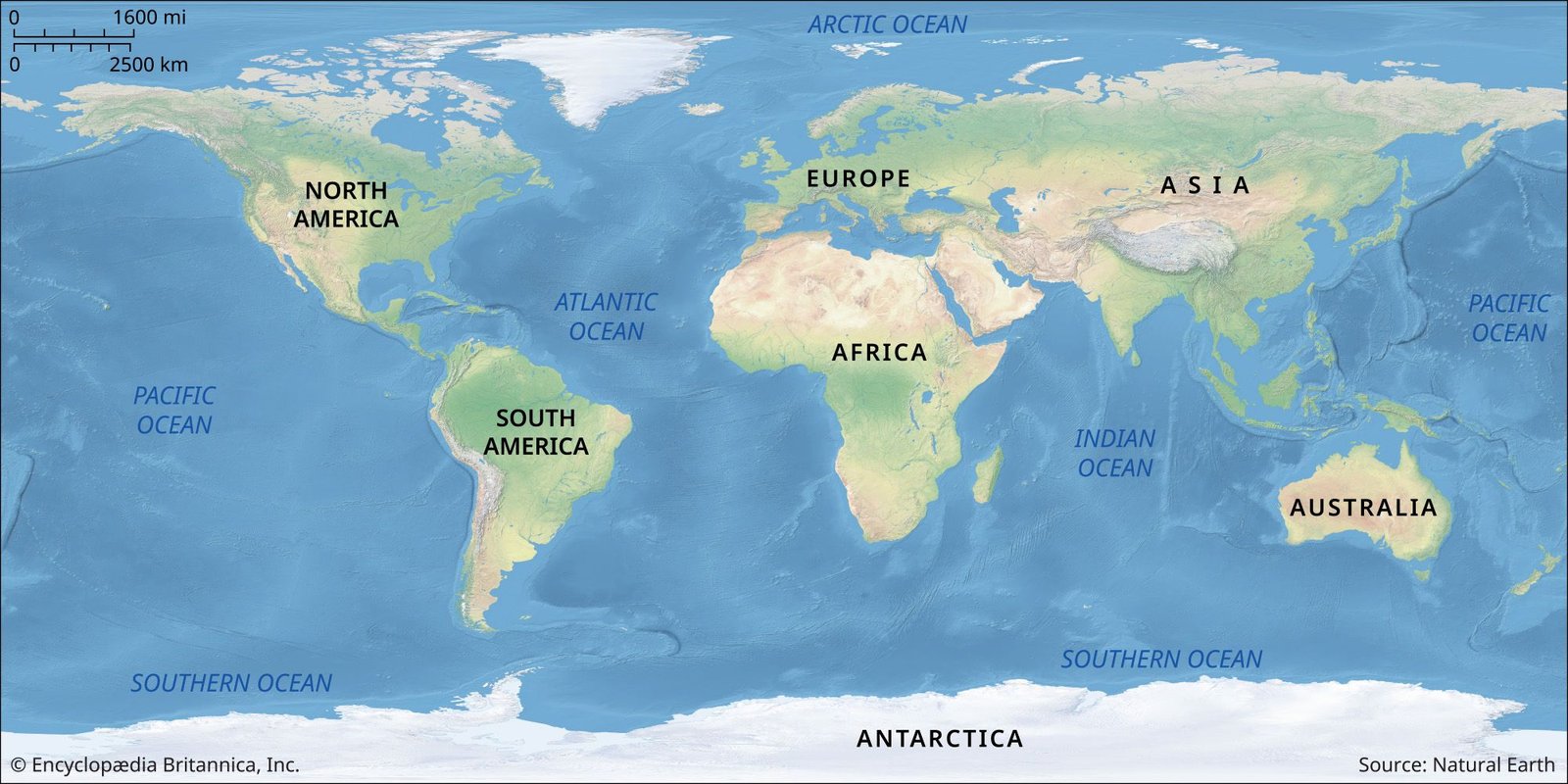
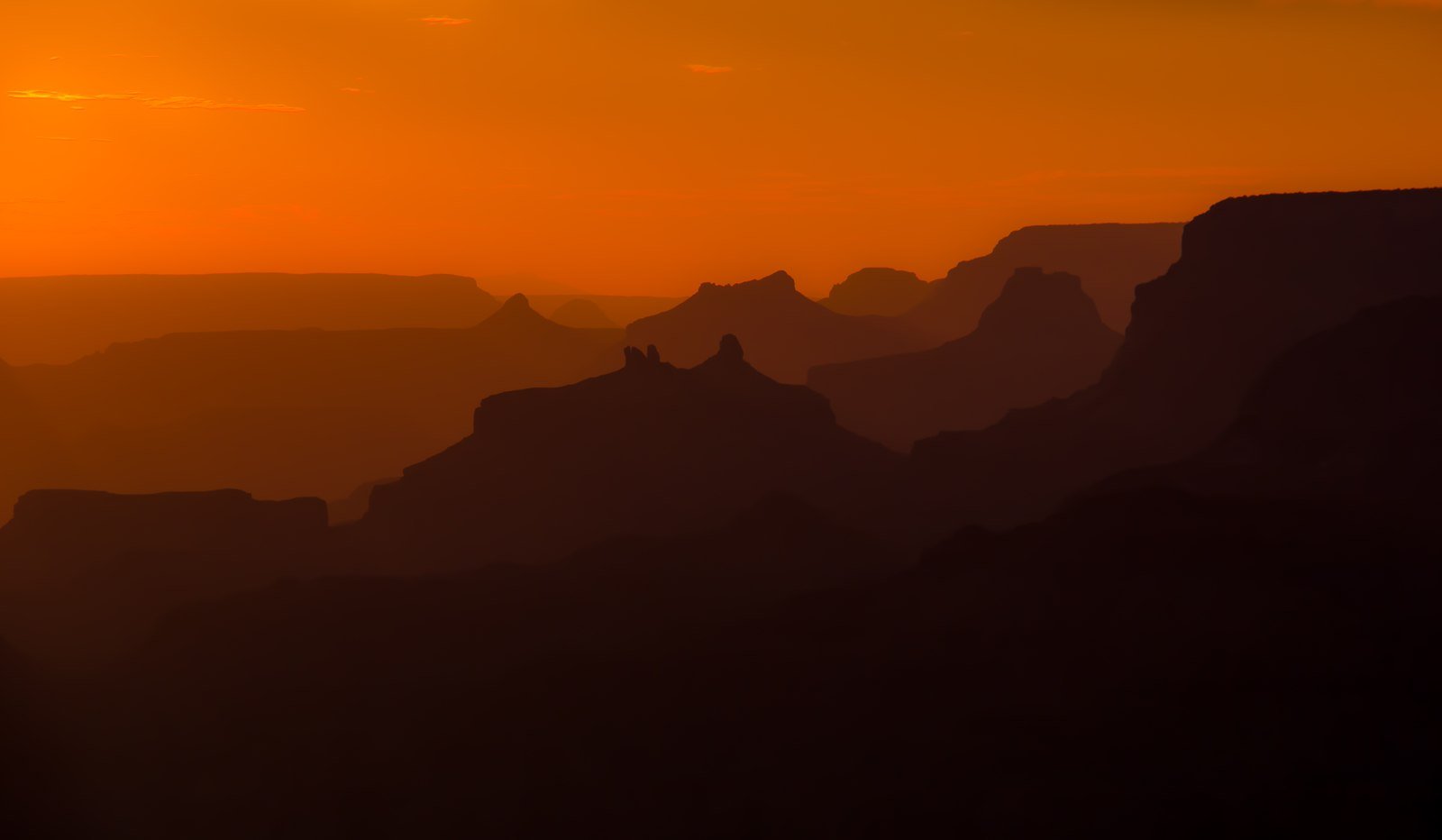
«Landforms» are the different shapes Earth's surface takes — they're not the same everywhere. Some areas are flat, some are raised high, and some sit below sea level.
A «plain» is flat or nearly flat land at a low elevation, often with fertile soil good for farming. A «plateau» is raised land with a relatively flat top, like a giant table, usually ending in steep slopes on at least one side.
A «mountain» is the highest type of landform, with a narrow peak and steep slopes. There's also a «valley», the low land between two mountains or hills, often with a river running through it. Each landform type affects what plants grow there and how people who live there make a living.