Every trip to the grocery store puts you in front of shelves packed with options, each carrying a nutrition label full of numbers and percentages that can feel overwhelming. Once you know what to look for, though, you can judge a product in under a minute.
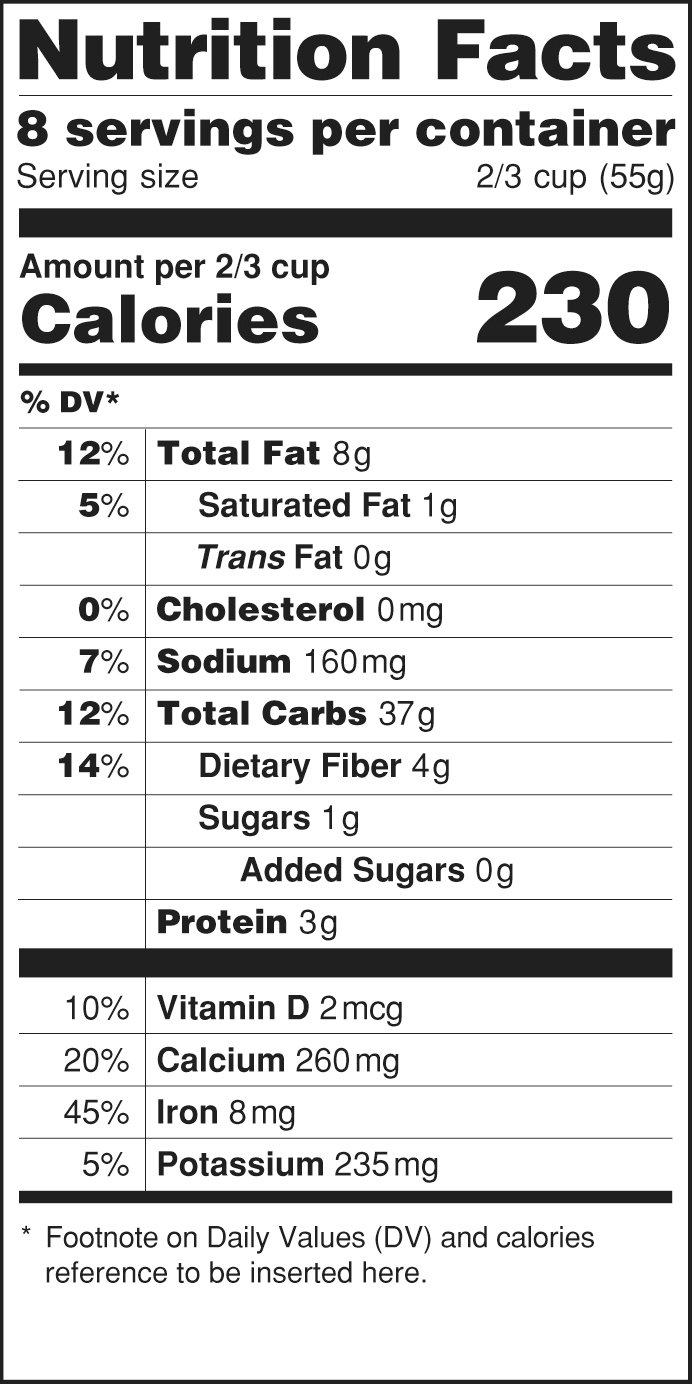
Start with the serving size at the top of the label — every number below it, from calories to sugar to fat, is based on that serving, not the whole package. Many people assume the listed numbers apply to the entire container, when in fact a single package might hold two or three servings.
What to watch in the ingredients list
Ingredients are listed from most to least by weight, so if sugar or oil appears near the top, the product is likely high in it. Also watch for sugar's many aliases — high-fructose corn syrup, dextrose, maltose — they're all sugar even when the name looks unfamiliar.
- Compare similar products using the same serving size so the comparison is fair
- Look for dietary fiber — higher amounts usually mean more whole grains and better digestive health
- Avoid trans fats even when the label reads "0 g," and check the ingredients for "partially hydrogenated oil"
- Watch sodium levels, especially in canned and packaged foods, since high sodium doesn't always taste obviously salty
- Don't be swayed by front-of-package claims like "natural" or "light" — these terms are loosely regulated, so the nutrition label is the reliable source
With practice, reading a label becomes a quick habit that takes just seconds, and you'll find yourself making more informed choices that gradually benefit your whole family's health.