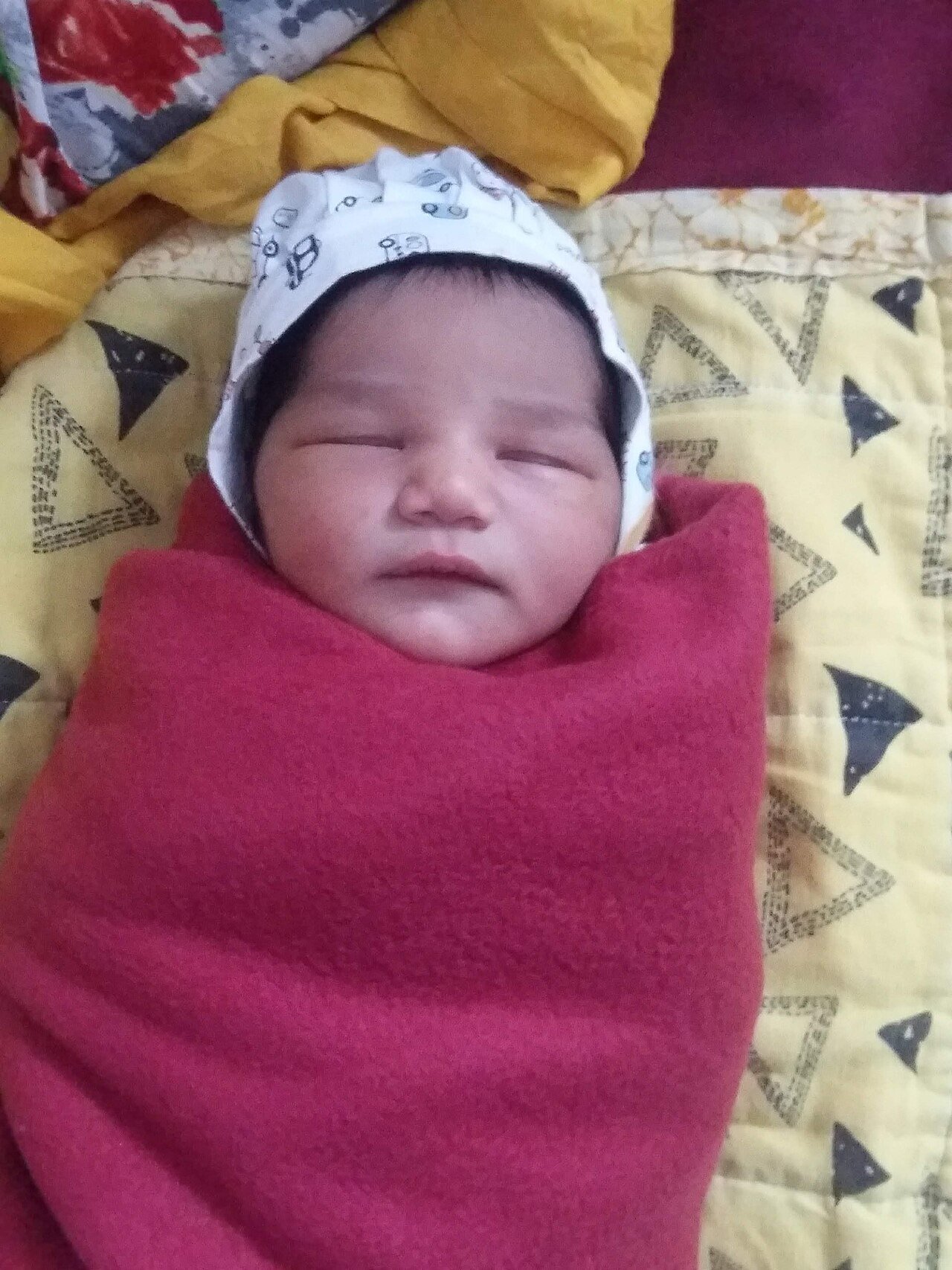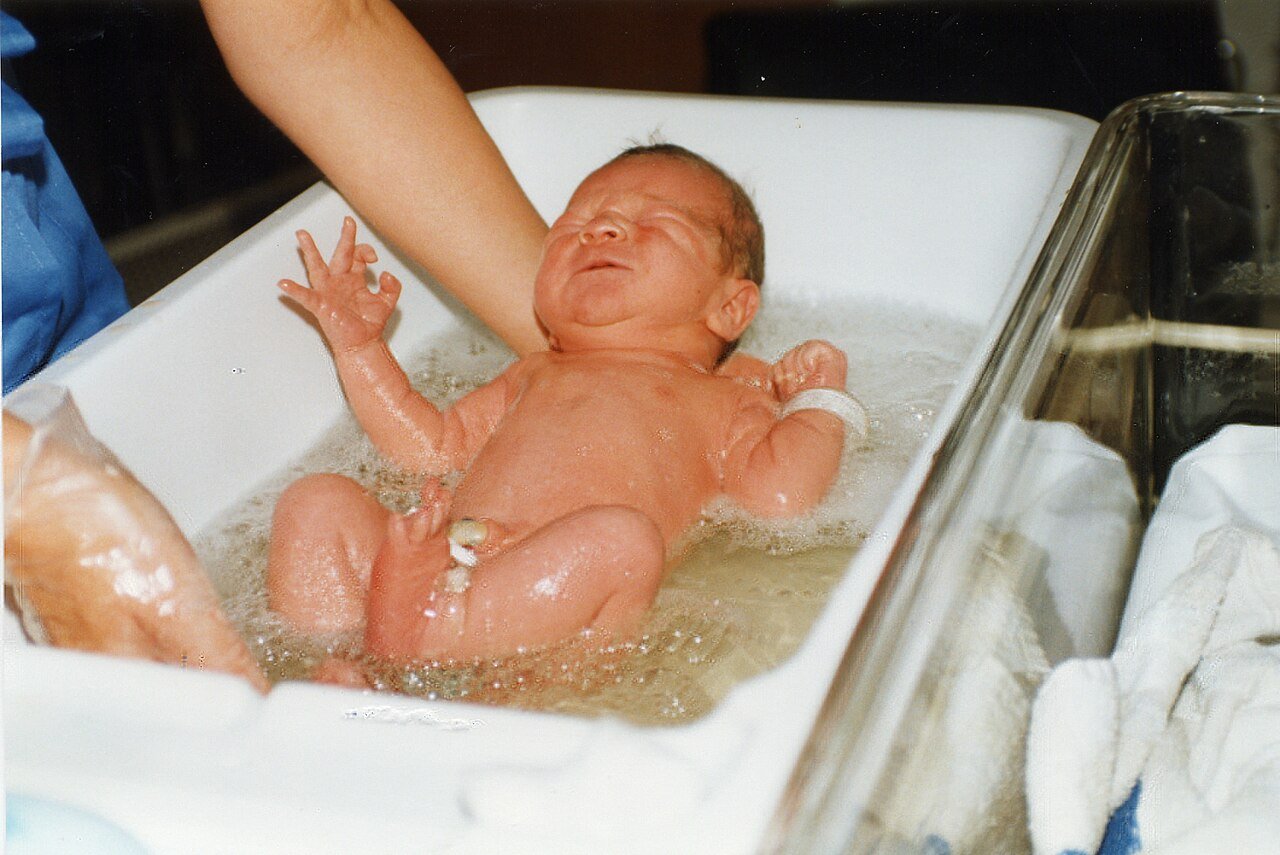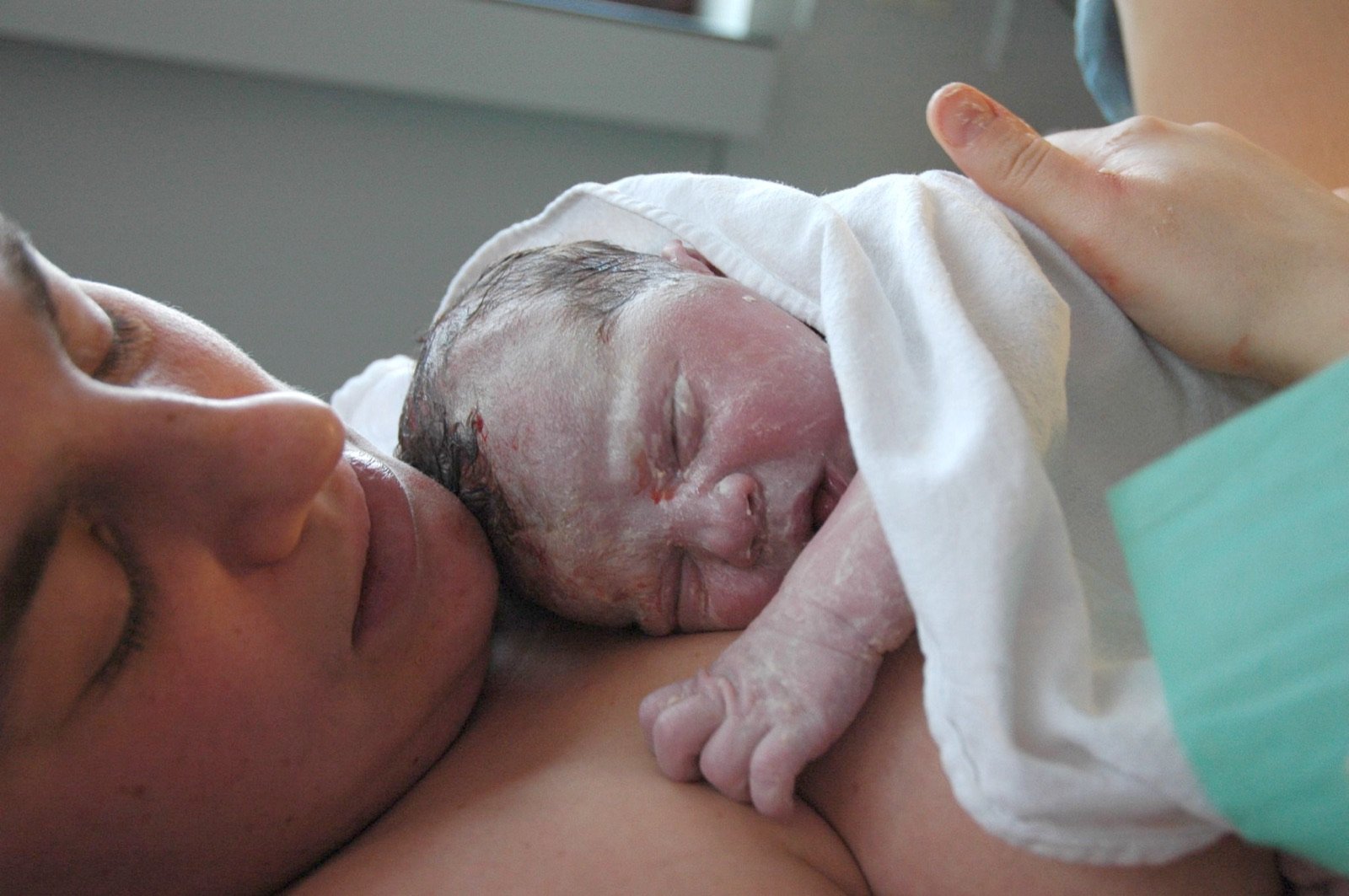

Many newborns make sounds that seem worrying in the first days: frequent hiccups, sneezing, soft snuffling, and irregular breathing. Their nervous and respiratory systems are still maturing, and this is a normal part of adjusting to life outside the womb.
Why These Sounds Happen
Hiccups come from a sudden diaphragm contraction, often after feeds from swallowed air, and despite how they look, they are not painful. Frequent sneezing is a natural way of clearing a tiny nose of mucus and dust, and is not necessarily a sign of a cold or allergy.
When the Sounds Are Different
Continuously very rapid breathing, a high-pitched whistling sound with every breath, or blueness around the lips are very different from normal transient sounds and need urgent medical attention.
- Don't try to stop hiccups by startling your baby or offering water — they pass on their own.
- If sneezing repeats along with heavy nasal discharge or fever, it may be an actual cold rather than routine clearing.
- An upright-ish position after feeds reduces how often hiccups happen.
- Watch skin color during strange sounds — blueness is a sign to seek emergency care immediately.