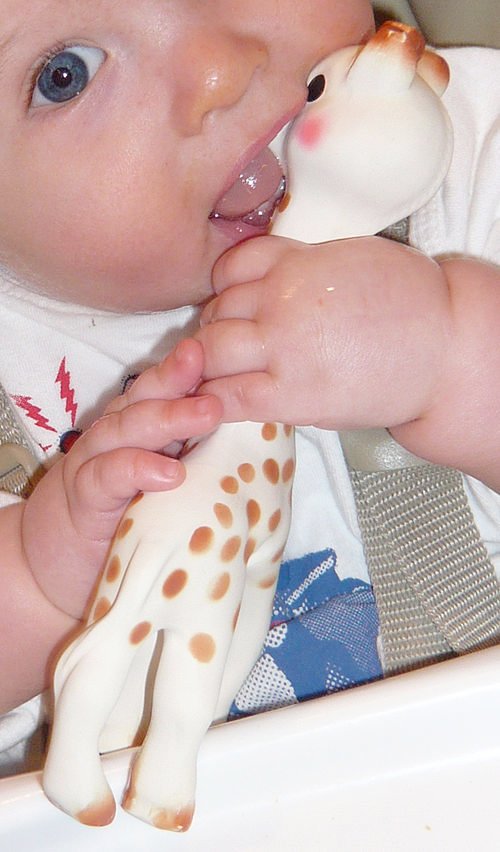
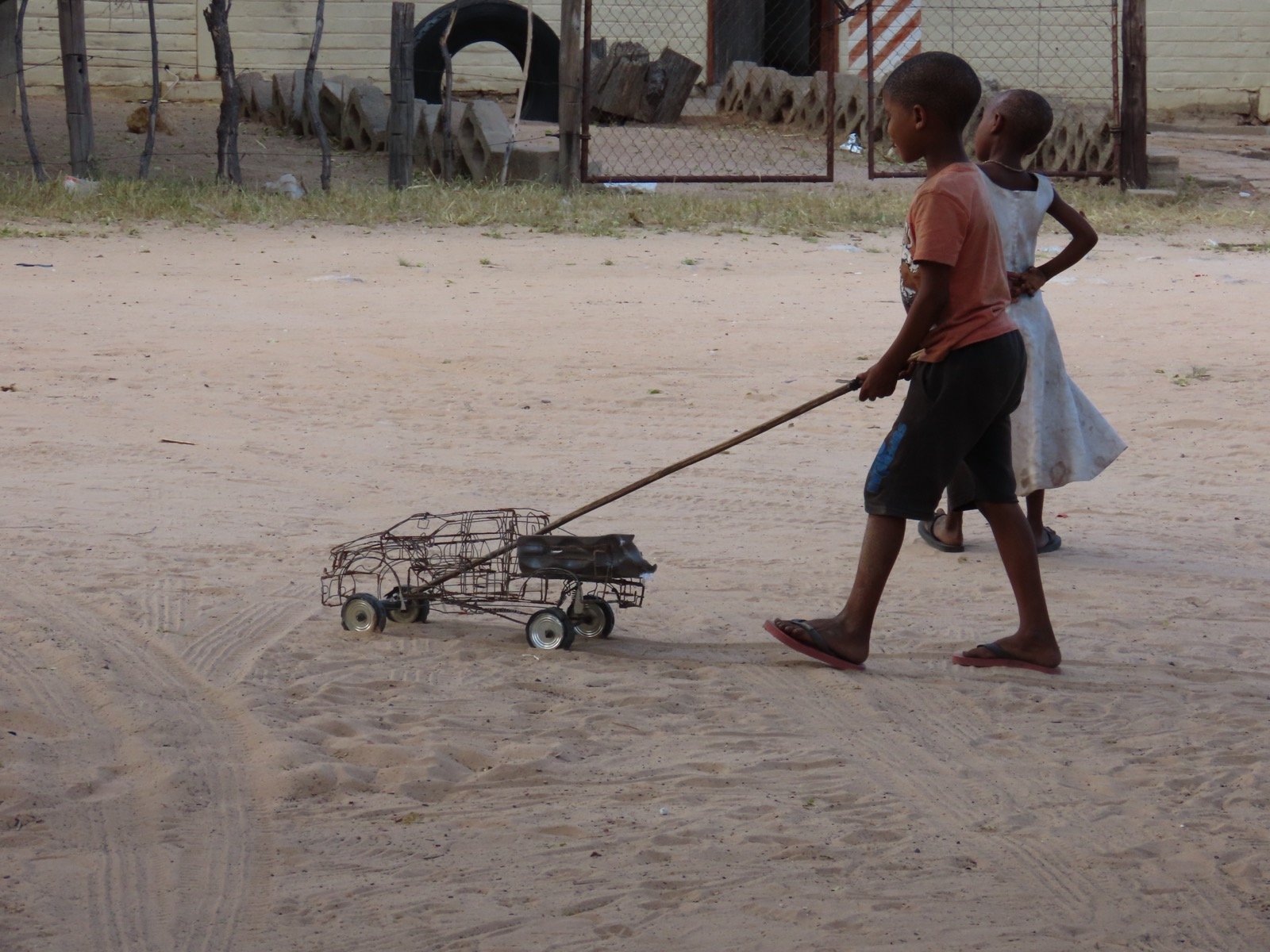
It's completely normal for a two-year-old to clutch a toy tightly and refuse to share it — their grasp of «shared ownership» is still forming, and it doesn't mean they're selfish or poorly raised.
How the Concept of Sharing Develops
Around age two, toddlers start noticing other children but prefer parallel play (beside them, not with them). Between three and four, actual cooperative interaction and the ability to wait their turn begin developing gradually.
How to Support This Growth
Practice «turns» at home first (trading a toy back and forth with them), and use simple phrases like «your turn now» instead of forcing an immediate handover. Arrange short, directly supervised playdates with another child to ease the experience.
- Don't force sharing of a toy they treasure deeply — start with items that carry less emotional weight for them.
- Praise any small sharing attempt genuinely and clearly the moment it happens.
- Expect some normal friction between children — step in calmly to teach, not to punish.
- Model it yourself by visibly sharing your own things with them and with others.