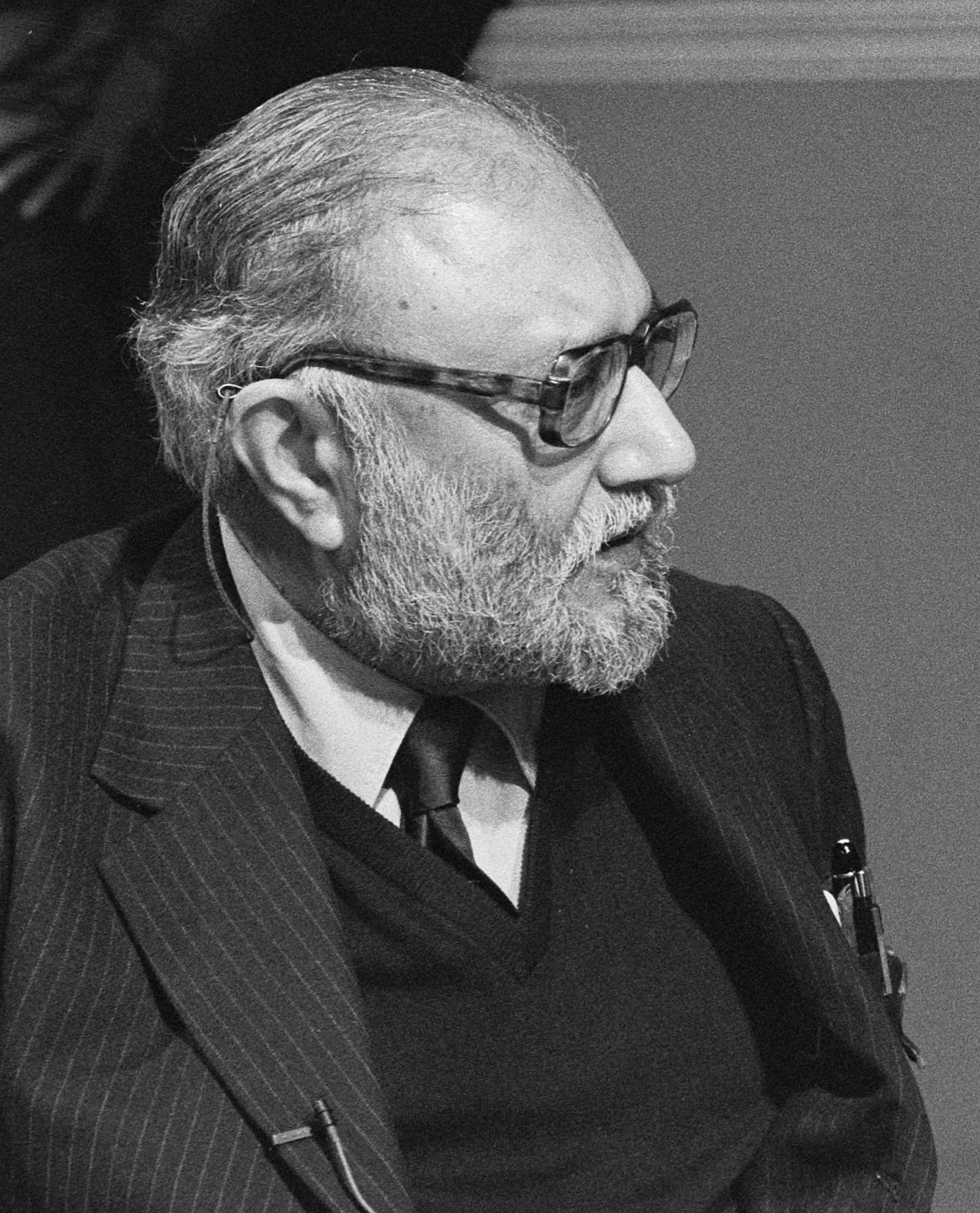
Muhammad Abdus Salam was born in 1926 in Jhang Maghiana, Punjab, British India, in territory that later became part of Pakistan. He showed exceptional academic talent from a young age, earning a scholarship to study mathematics at Cambridge University, where he received his PhD in theoretical physics in 1952.
Salam worked as a professor at Imperial College London, focusing his research on unifying nature's fundamental forces. In the 1960s, working in parallel with American physicists Steven Weinberg and Sheldon Glashow, he developed «electroweak theory», proving that the electromagnetic force and the weak nuclear force are, at their root, two manifestations of a single unified force at very high energies.
Scientific Legacy
Salam was awarded the 1979 Nobel Prize in Physics jointly with Weinberg and Glashow, becoming the first Muslim and first Pakistani to win a Nobel Prize in any scientific field. In 1964 he founded the International Centre for Theoretical Physics in Trieste, Italy, to support physicists from developing countries, and devoted much of his life to advancing scientific education across the Muslim world. He died in 1996.