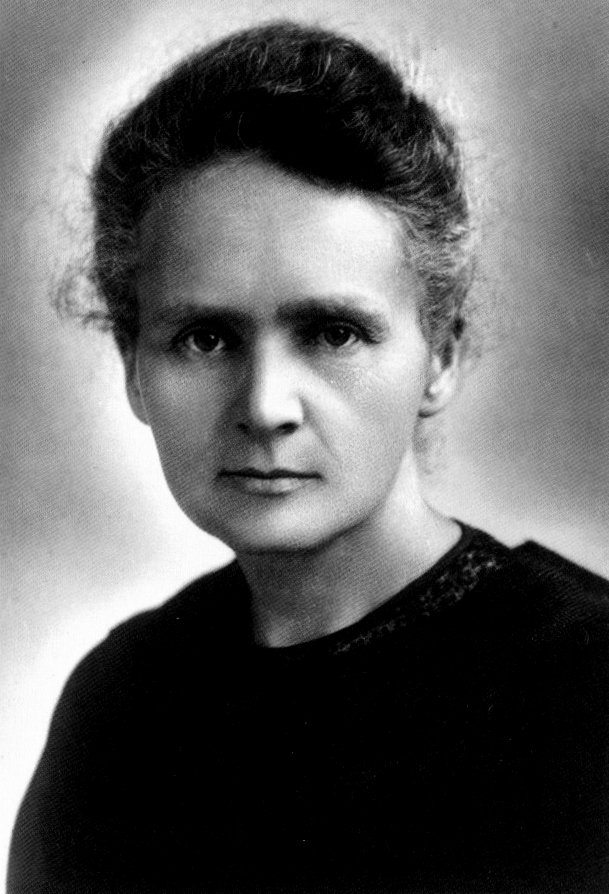

Barbara McClintock was born in 1902 in Hartford, Connecticut, and studied botany at Cornell University, earning her PhD in 1927 and specializing in the cytogenetics of maize — the study of chromosomes and their behavior during cell division. She developed precise microscopic techniques to distinguish individual maize chromosomes, allowing her to track their genetic behavior with unprecedented accuracy.
During the 1940s, while working at Cold Spring Harbor Laboratory, McClintock observed that certain genetic elements in maize could move from one location to another on a chromosome, unexpectedly affecting the color and patterns of corn kernels. She called these «controlling elements», known today as transposons or «jumping genes.» The discovery radically contradicted the prevailing view that genes occupied fixed positions on chromosomes, and was met with skepticism from much of the scientific community for over two decades.
Scientific Legacy
As molecular biology techniques advanced in the 1970s and 1980s, McClintock's discoveries were vindicated, and transposable elements were found to exist in nearly all living organisms, playing a key role in evolution and genetic regulation. She was awarded the sole Nobel Prize in Physiology or Medicine in 1983 for her discovery, becoming one of the few women to receive an unshared Nobel in the field.