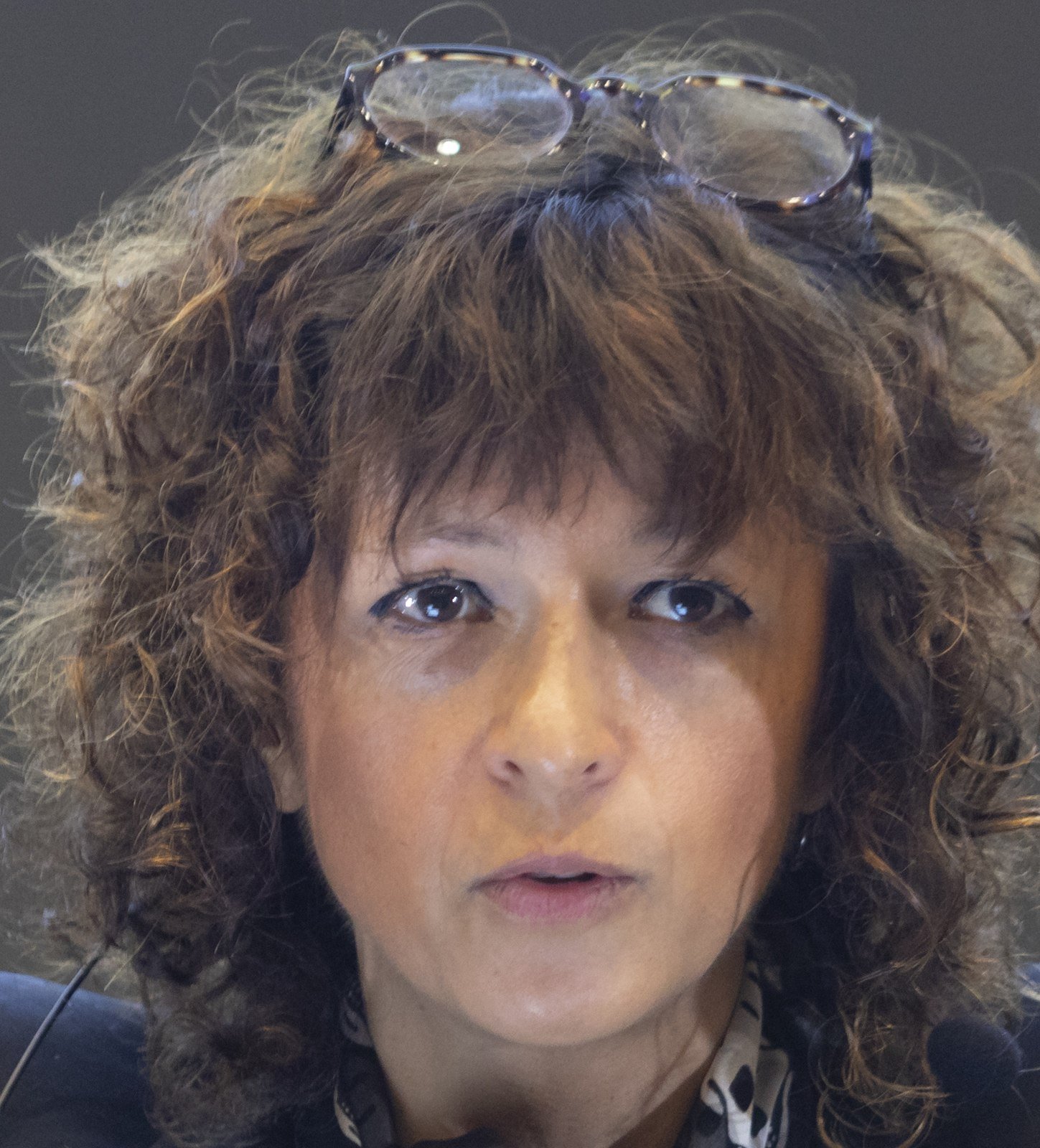
Emmanuelle Charpentier was born in 1968 in Juvisy-sur-Orge, France, and studied biochemistry and microbiology, moving between several laboratories and countries in Europe and the United States during her early research career, broadening her expertise in pathogenic bacteria and their molecular defense mechanisms.
While studying the bacterium Streptococcus pyogenes, Charpentier noticed a previously unknown small RNA molecule playing a pivotal role in the bacterial immune system known as CRISPR, which the bacteria use to recognize and destroy invading viruses. In 2011 she published this discovery, then in 2012 collaborated with American biochemist Jennifer Doudna to reprogram this natural system into a gene-editing tool that could be directed at any target DNA sequence.
From Basic Microbiology to Global Application
This collaboration between Charpentier and Doudna transformed basic research into bacterial defenses into one of the most important technical tools in the history of molecular biology. Charpentier shared the 2020 Nobel Prize in Chemistry with Doudna, and later founded the Max Planck Unit for the Science of Pathogens in Berlin to continue her research into bacterial molecular mechanisms.