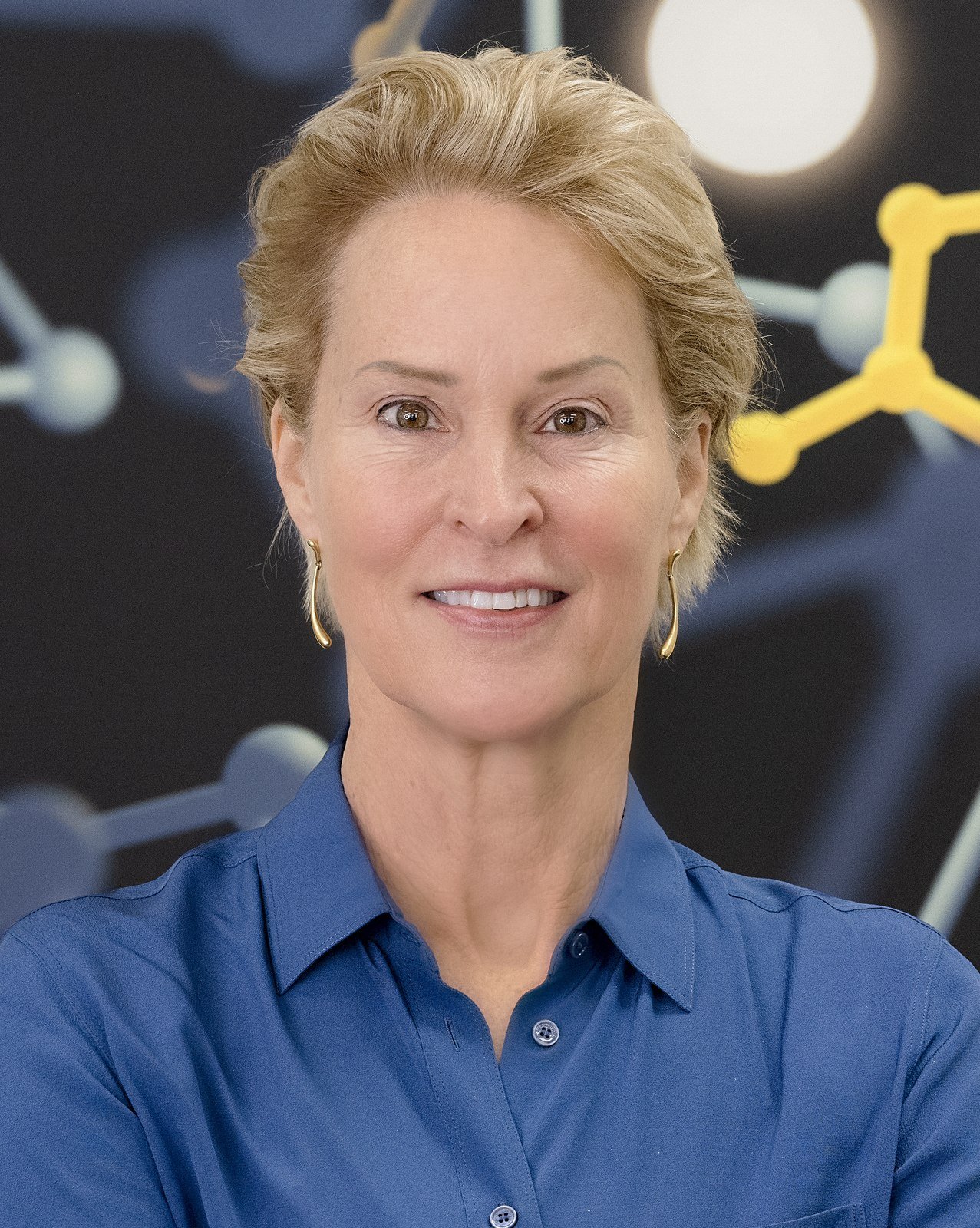
Frances Arnold was born in 1956 in Pittsburgh, Pennsylvania, and studied mechanical and aerospace engineering before turning to chemical engineering and molecular biology, later joining the faculty at the California Institute of Technology (Caltech).
Researchers in the 1970s and 1980s struggled to design new enzymes from scratch based on theoretical understanding of their structure, so in the early 1990s Arnold pioneered an entirely different approach known as «directed evolution»: repeatedly introducing random mutations into an enzyme's gene, then selecting the versions most effective at the desired task and repeating the process across successive generations, mimicking Darwin's principle of natural selection but at laboratory speed.
Designer Enzymes Serving Industry and the Environment
Directed evolution enabled the production of improved enzymes now used in pharmaceuticals, biofuels, environmentally friendly detergents, and cleaner chemical processes that reduce the need for toxic solvents. Arnold won the 2018 Nobel Prize in Chemistry, becoming the fifth woman in history to receive it, in recognition of a method that redefined how biological molecules are engineered in laboratories worldwide.