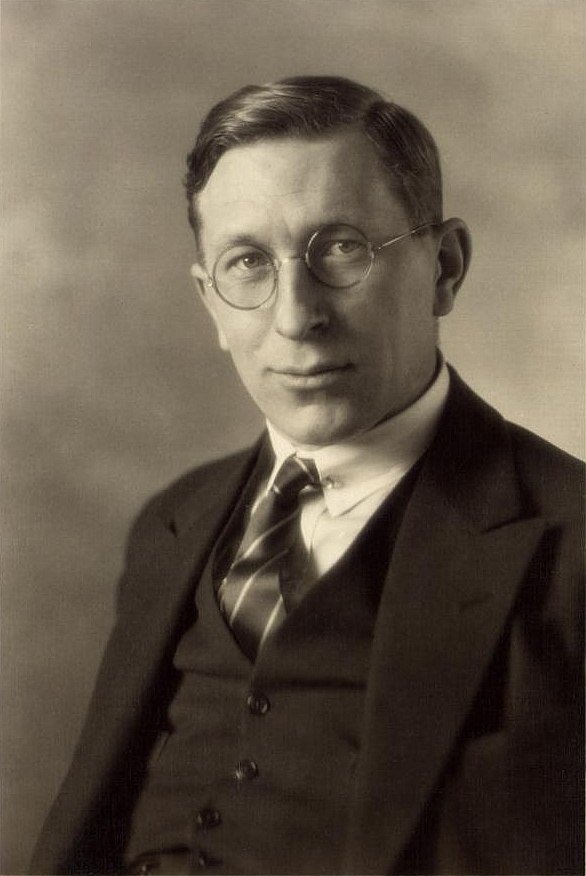
Frederick Banting was born in 1891 in Alliston, Ontario, Canada, studied medicine, worked as a surgeon, and served as a medic in World War I. In the early 1920s, type 1 diabetes was an almost certain death sentence; afflicted children wasted away and died within months or a few years with no effective treatment.
Banting had an idea that the pancreas secreted a blood-sugar-regulating substance that was destroyed when the pancreas digested itself with its own enzymes before it could be extracted. He persuaded physiologist John Macleod at the University of Toronto to provide a summer laboratory in 1921, and worked with student Charles Best, tying off the pancreatic ducts of test dogs until the enzyme-producing tissue atrophied, allowing them to extract a purified substance they named «insulin».
From a Modest Lab to Saving Millions of Lives
In January 1922, the first human patient, a boy named Leonard Thompson, was injected with the extracted insulin and improved dramatically within days after being near death. Banting won the 1923 Nobel Prize in Medicine jointly with Macleod, becoming its youngest medicine laureate to this day, and shared half his prize money with Best in recognition of his role. Banting and his team refused to patent insulin personally, selling the rights to the University of Toronto for a symbolic one dollar so it would be available to the whole world.