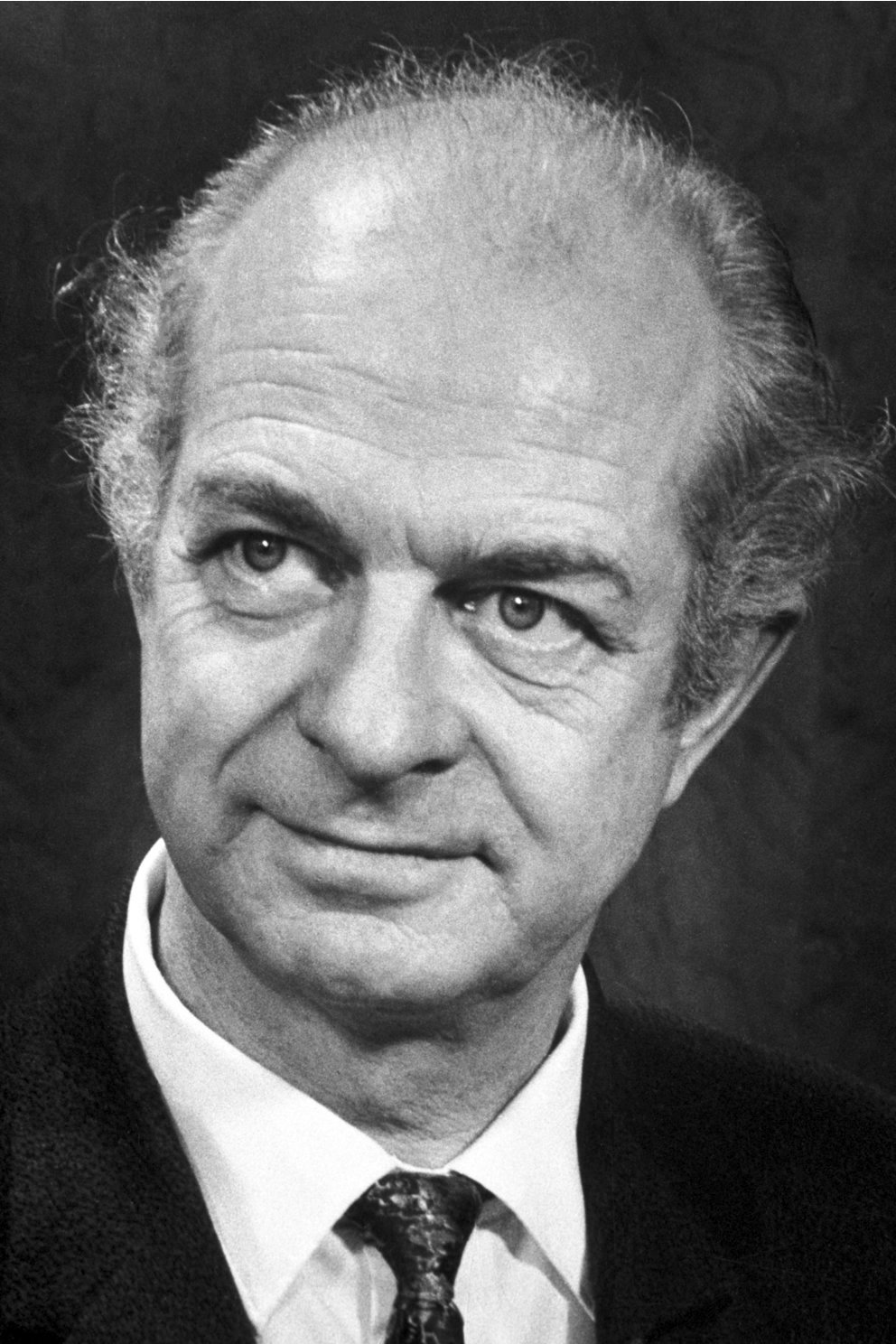
Linus Pauling was born in 1901 in Portland, Oregon, and earned his PhD in chemistry from the California Institute of Technology in 1925. He then traveled to Europe to learn the newest theories of quantum mechanics directly from their pioneers, applying what he learned to studying how atoms bond to form molecules.
In 1939 Pauling published his seminal book «The Nature of the Chemical Bond», which laid the foundations of the modern understanding of chemical bonding using quantum mechanical principles, becoming one of the most influential scientific books of the twentieth century. He was awarded the 1954 Nobel Prize in Chemistry for this work. Pauling later applied his methods to studying protein structure, proposing the «alpha helix» model that influenced subsequent research into DNA structure.
Scientific Legacy
Alongside his scientific research, Pauling devoted much of his life to political activism against nuclear weapons testing, winning the 1962 Nobel Peace Prize solely, making him the only person in history to win two unshared Nobel Prizes. Late in life he generated scientific controversy by promoting vitamin C as a treatment for various diseases, a claim that lacked solid scientific support. He died in 1994.