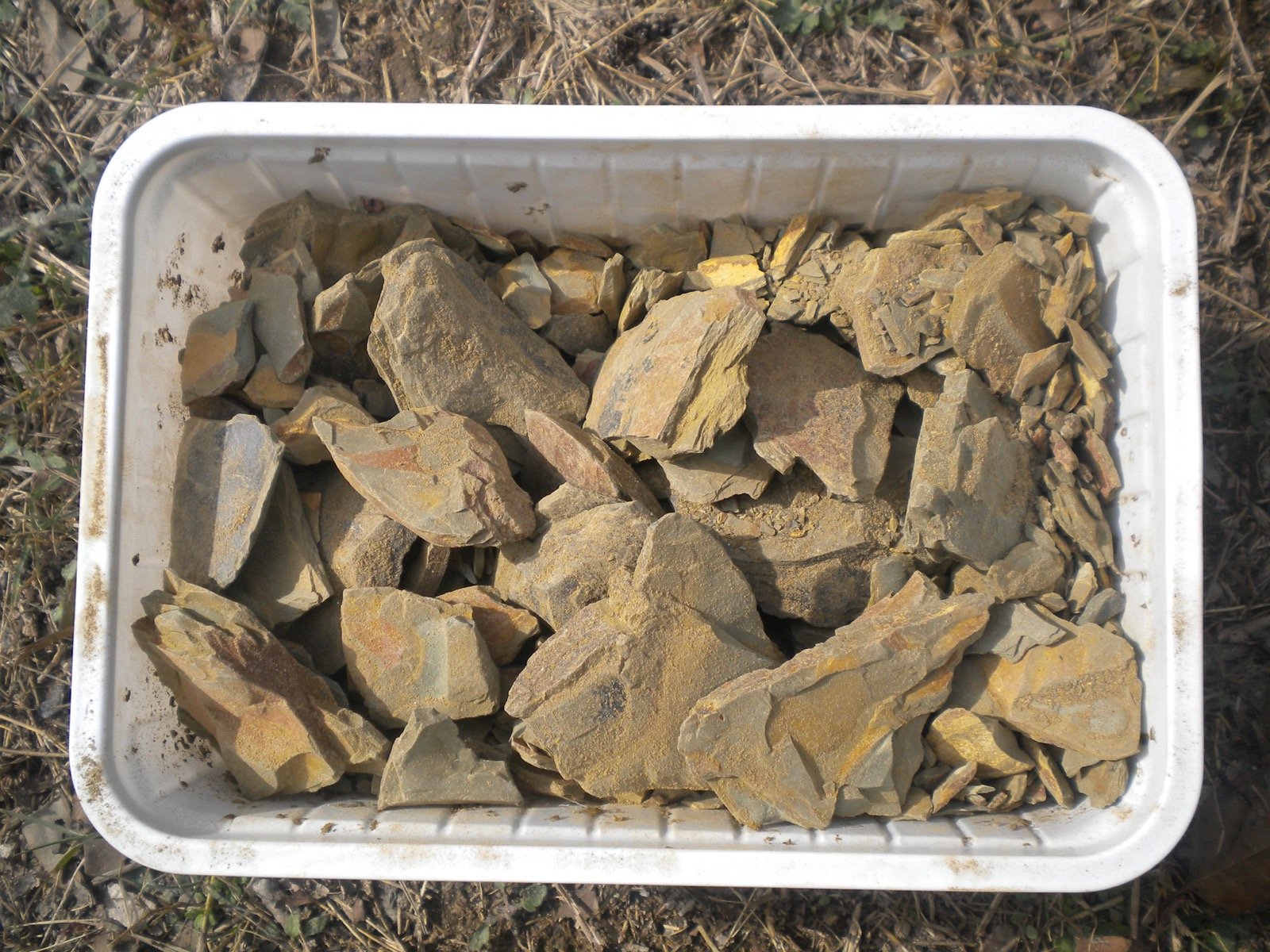
Natural clay — such as green clay, Moroccan rhassoul clay, or white kaolin clay — is one of the most effective ingredients for absorbing excess oil and drawing impurities out of pores, making it ideal for oily or combination skin that struggles with persistent shine and enlarged pores.
How to Prepare and Apply
Mix two tablespoons of clay powder with enough lukewarm water or rose water to form a smooth, spreadable paste. Avoid metal tools while mixing, since some clay types lose effectiveness when they touch metal — use a plastic, wooden, or glass bowl and spoon instead. Spread a medium layer over clean skin, avoiding the eye and lip area.
The most important tip here is never letting the clay dry completely on your skin, since full dryness pulls natural moisture from the skin along with excess oil. Rinse the mask off with lukewarm water as soon as it starts to feel slightly dry (usually after eight to ten minutes) and before it fully cracks.
Extra Tips
Using a clay mask once or twice a week at most is enough — more frequent use can cause excessive dryness even for oily skin. Apply a light, oil-free moisturizer right after rinsing to help rebalance the skin.
- Never let clay dry out completely on skin
- Use non-metal mixing tools
- Limit use to once or twice a week
- Moisturize right after rinsing