Have you ever wondered how a huge tree grows from a tiny seed? Plants, like other living things, go through a series of growth stages called a life cycle. In this lesson, we'll explore these stages step by step.
Stages of Plant Growth
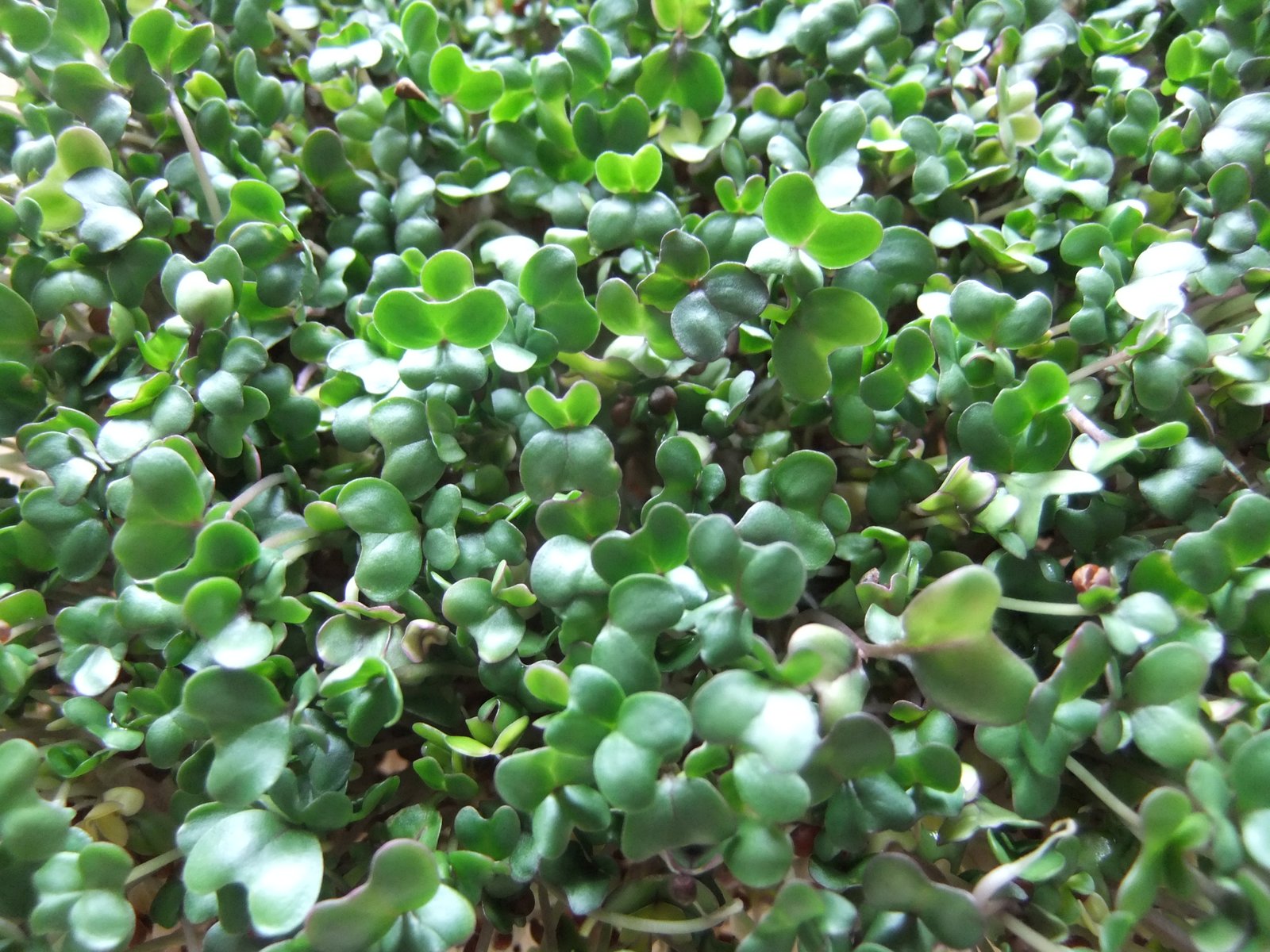
The cycle begins with a seed, which holds everything the young plant needs to start growing. When a seed finds warm, moist soil, it begins to germinate — a small root grows downward into the soil, and a small stem grows upward toward the light.
Next, the first leaves appear, and a process called "photosynthesis" begins, where the plant uses sunlight, water, and carbon dioxide to make its own food. The plant keeps growing until it becomes a full plant, and beautiful flowers may appear, attracting bees and butterflies.
After pollination, the flowers turn into fruit containing new seeds. When these seeds fall to the ground, or are carried by wind or animals, a new life cycle begins all over again. This ongoing cycle is why plants continue to exist on Earth, generation after generation.
At every stage, a plant needs basic elements: water, light, air, and good soil. If any of these is missing, the plant's growth is affected and weakened. That's why caring for plants at home or in a garden is a wonderful chance to watch this cycle up close.
- Seed: holds everything the plant needs to start growing
- Germination: the root and stem emerge from the seed
- Growth and flowering: the plant makes food and forms flowers
- Fruiting: flowers turn into fruit carrying new seeds