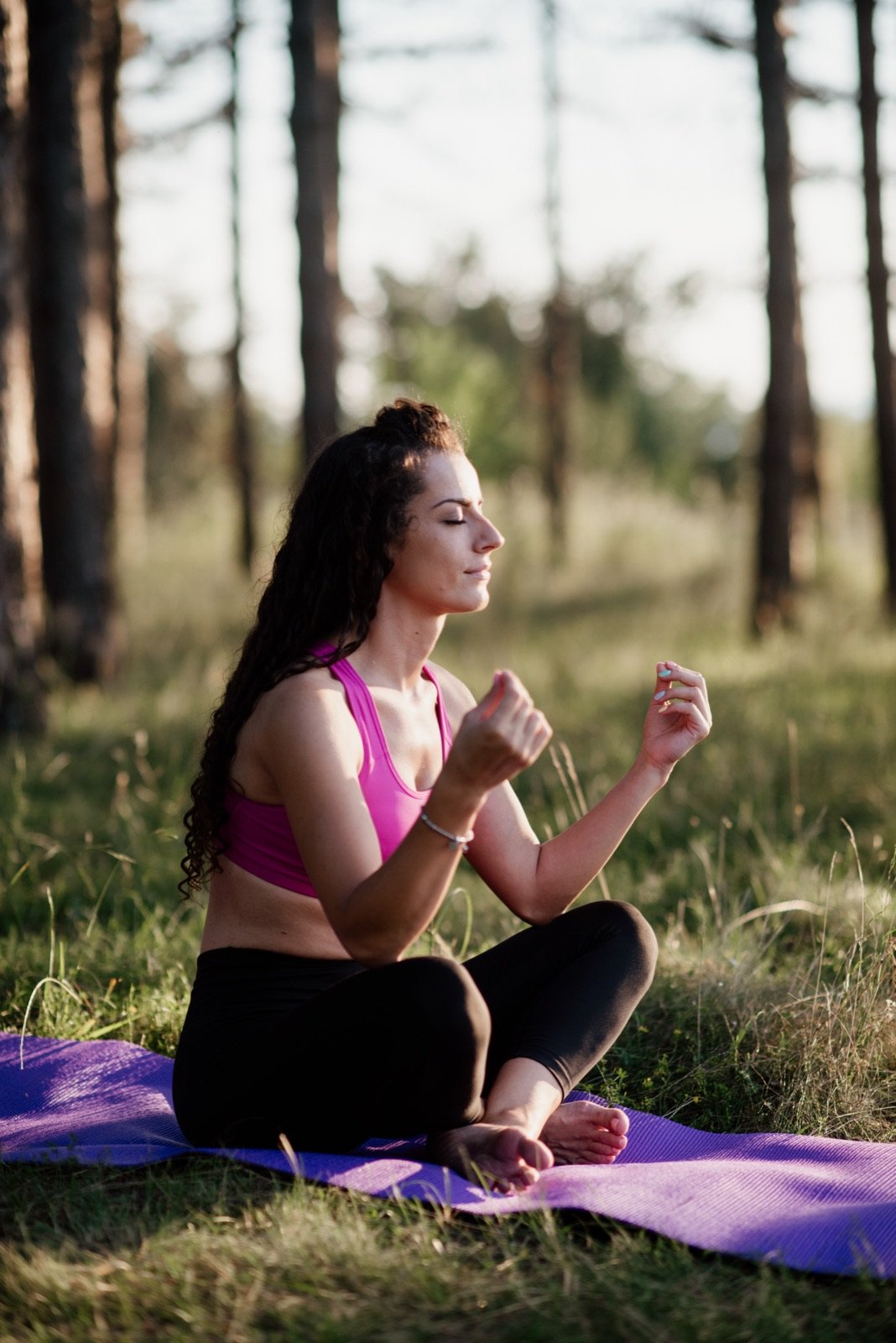
Breathing is the one bodily function that works automatically without our intervention, yet it's also the one we can consciously control whenever we choose. That makes it a powerful, always-available tool for influencing the nervous system and calming the body in moments of stress or anxiety.
When we feel stressed, our breathing tends to become fast and shallow, relying only on the upper chest. This pattern signals the body to stay in "alert" mode, while slow, deep breathing from the belly sends the opposite signal, helping activate the parasympathetic nervous system responsible for relaxation.
Simple Techniques You Can Try Right Now
These techniques require no prior training or equipment, and can be done sitting or standing—in the car, at work, or even right before an important meeting.
- 4-7-8 breathing: inhale through the nose for 4 seconds, hold for 7 seconds, then exhale slowly through the mouth for 8 seconds.
- Box breathing: inhale for 4 seconds, hold for 4, exhale for 4, hold for 4, and repeat the cycle.
- Place a hand on your belly and make sure it rises with each inhale—this confirms you're breathing from the belly, not the chest.
- Repeat any of these techniques for one to three minutes when sudden distress hits.
- Always make the exhale longer than the inhale—that's the part most responsible for calming the body.
It helps to practice these techniques regularly, even during calm moments, not only during intense stress, since repetition helps your body master them faster for when you actually need them. Don't expect stress to vanish entirely on the first try—the goal is to ease its intensity and give you clearer space to think instead of reacting immediately, a skill that improves with repeated practice just like any other.