
The urge for something sweet tends to strike at predictable moments: after an unsatisfying meal, during stress, or when sleep is lacking. Understanding why the craving shows up is the first step to handling it wisely, rather than fighting it with willpower alone — a battle that's often lost.
It helps to first tell true hunger apart from an emotional craving. True hunger builds gradually and accepts almost any food, while a strong craving appears suddenly and usually centers on one specific thing, like chocolate or sweets.
Why do we crave sugar specifically?
A blood-sugar dip after meals heavy in refined carbs often triggers an intense craving an hour or two later, which is why balanced meals with protein and fiber help stabilize energy and reduce these episodes.
- Don't deprive yourself completely — harsh restriction often backfires into overeating later. Instead, choose a small portion of your favorite treat and enjoy it without guilt
- Drink a glass of water first, since thirst is sometimes mistaken by the body for hunger
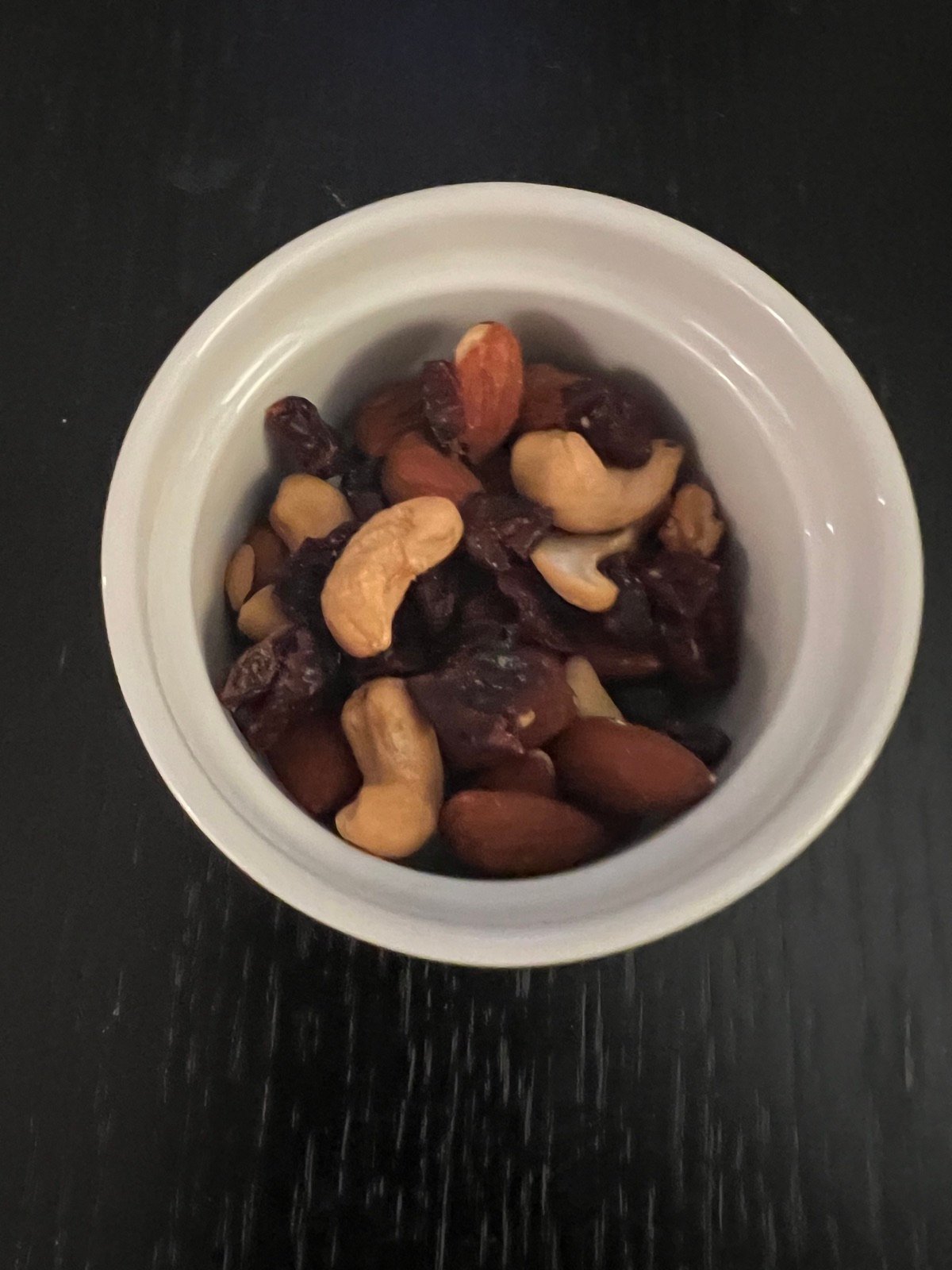
- Keep healthy alternatives nearby, like dried fruit or dark chocolate with a high cocoa content
- Prioritize enough sleep — sleep deprivation raises hunger hormones and specifically increases sugar cravings
- Notice whether the craving is tied to stress or boredom, and look for an alternative activity, like a short walk or a call with a friend
The goal isn't to eliminate sugar from your life entirely, but to build a balanced relationship with it — so it becomes a conscious choice rather than an automatic response you can't control.