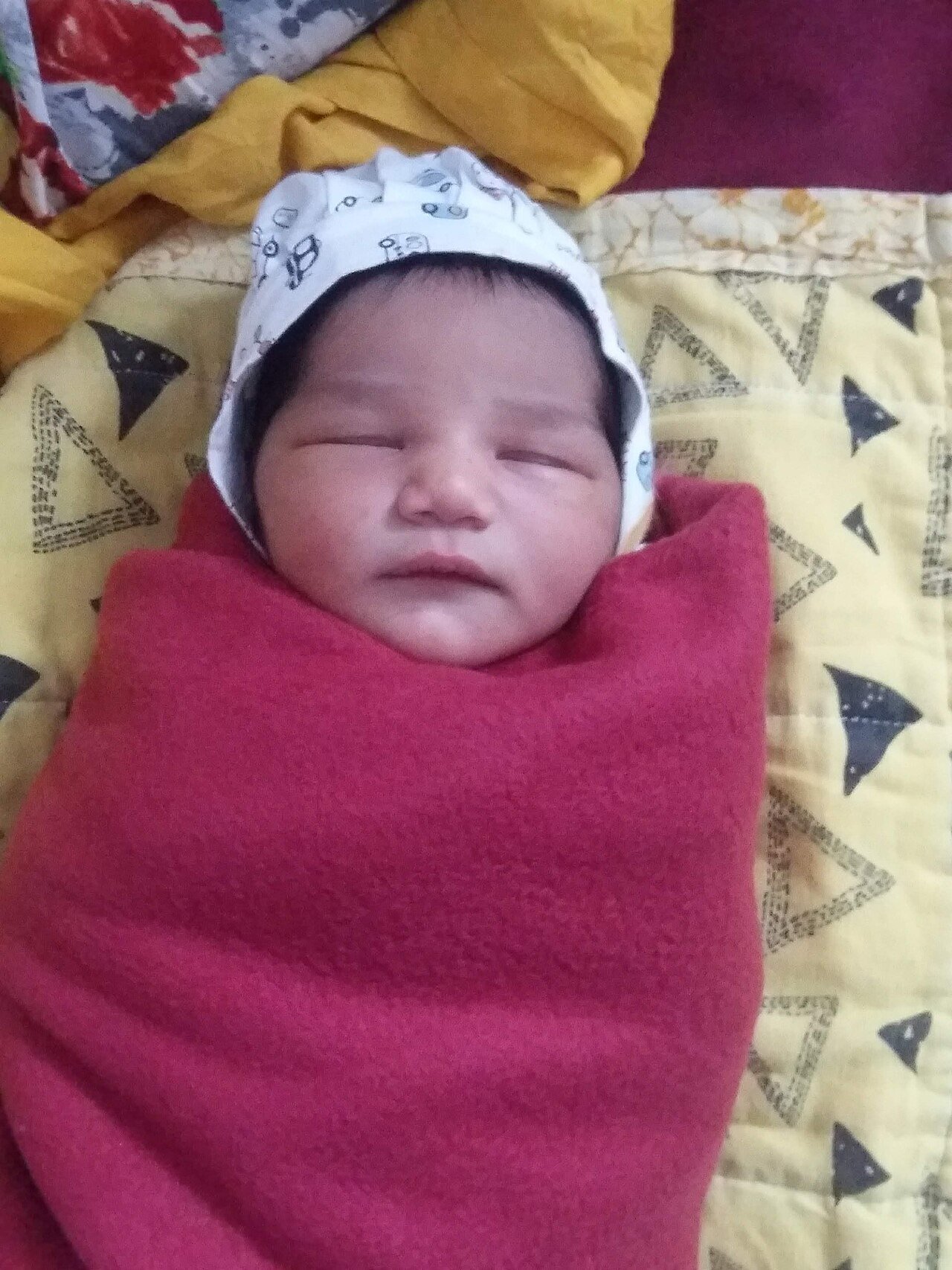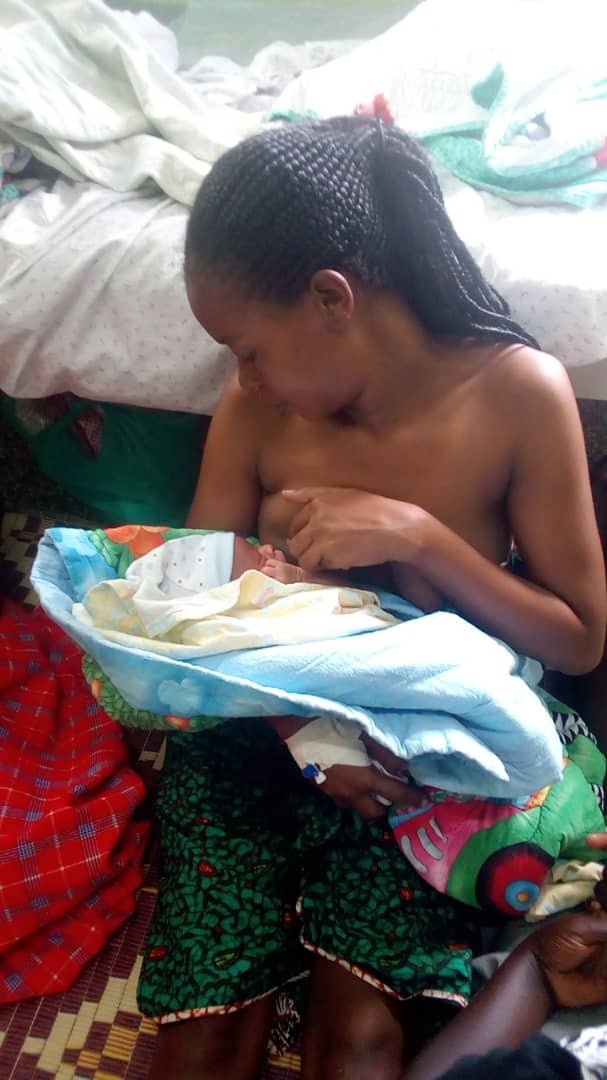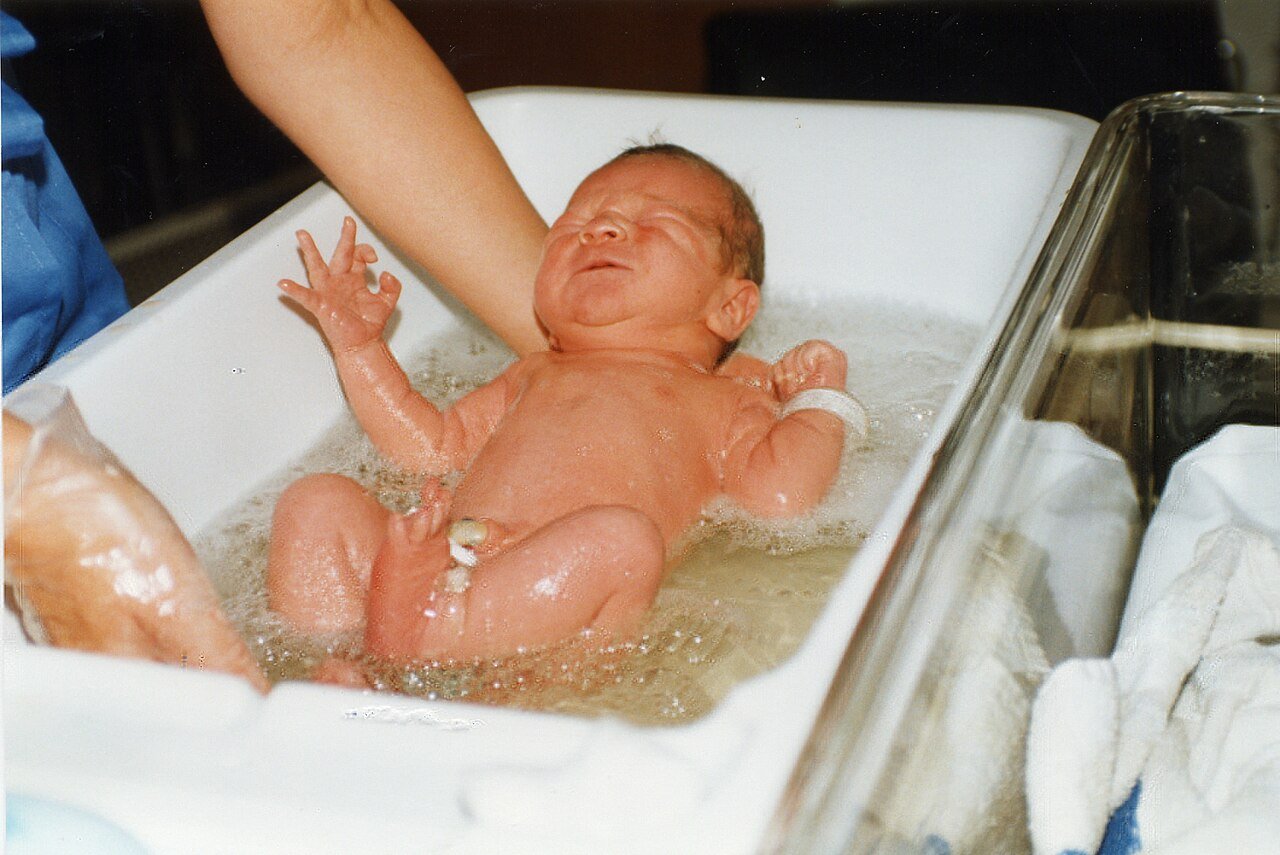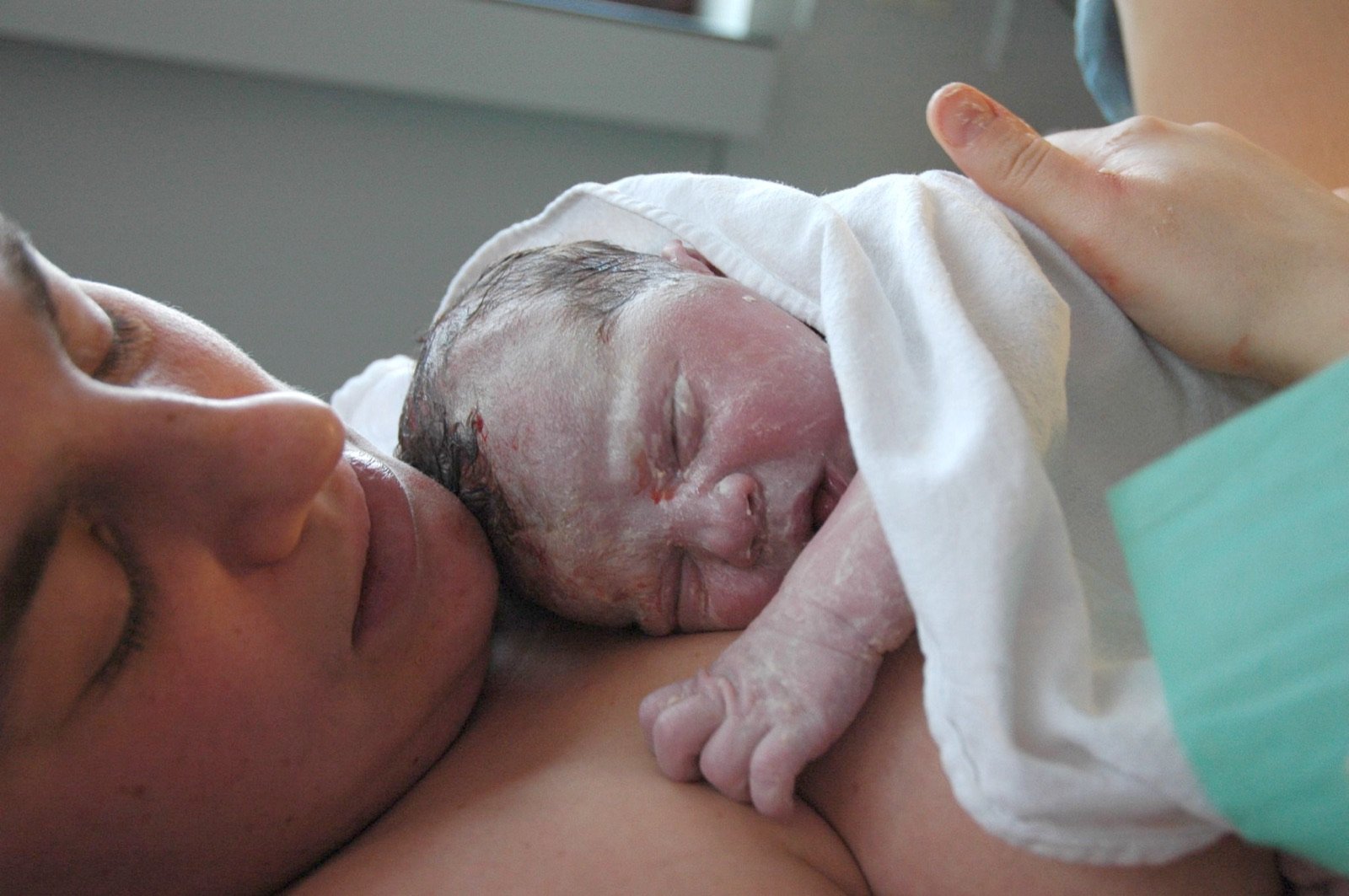

If you notice a slight yellow tinge to your newborn's skin or the whites of their eyes in the first days after birth, it's likely jaundice — a very common condition affecting more than half of all newborns. There's no need to panic; most cases are mild and resolve on their own within a week or two.
Jaundice happens because a newborn's liver is still maturing and can't clear a substance called bilirubin quickly enough — bilirubin is a normal byproduct of red blood cells breaking down. As the liver matures and becomes more efficient over the first days, the yellow tint gradually fades.
How to Monitor Jaundice at Home
- Check your baby's skin in natural daylight — artificial lighting can hide or exaggerate the yellow tone.
- Gently press your baby's forehead or nose; if yellow shows under your finger, it's worth keeping an eye on.
- Watch how the yellowing spreads: it usually starts on the face, and spreading to the chest, belly, or legs may warrant a check-up.
- Track wet and dirty diapers — frequent feeding helps the body clear bilirubin.
- Keep the follow-up appointments your pediatrician schedules in the first days — they're designed specifically to monitor this.
In mild cases, frequent feeding is often enough to support recovery. If bilirubin levels are higher, the doctor may recommend phototherapy (light therapy), a safe and common treatment that helps the baby's body break down excess bilirubin faster.
Call your pediatrician right away if the yellowing seems to be increasing rather than fading after the first week, or if your baby is unusually lethargic, refusing to feed, or hard to wake — these signs need prompt evaluation.