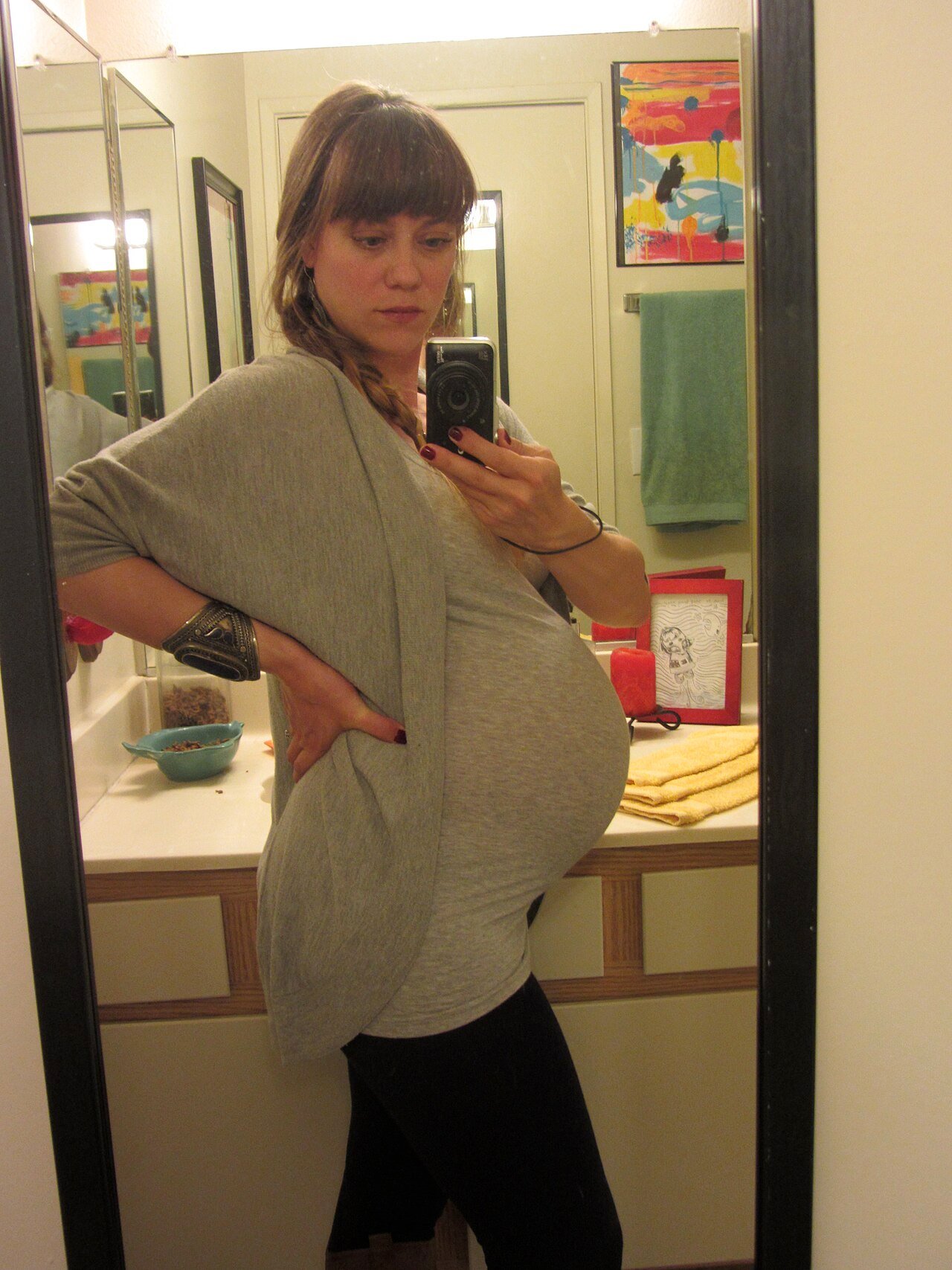
During pregnancy, your body releases the hormone relaxin, which loosens the ligaments around your pelvic joints to prepare for your baby's passage during birth. This looseness is necessary and useful, but it can sometimes cause instability and pain in the pelvic area, especially with asymmetric movement.
Where do you usually feel it?
You might feel pain at the front of the pelvis, on one side of the lower back, or in the area between the vagina and rectum. It tends to worsen when climbing stairs, standing up from a low chair, turning over in bed, or walking long distances.
- Try keeping your knees together when getting in and out of the car or turning over in bed.
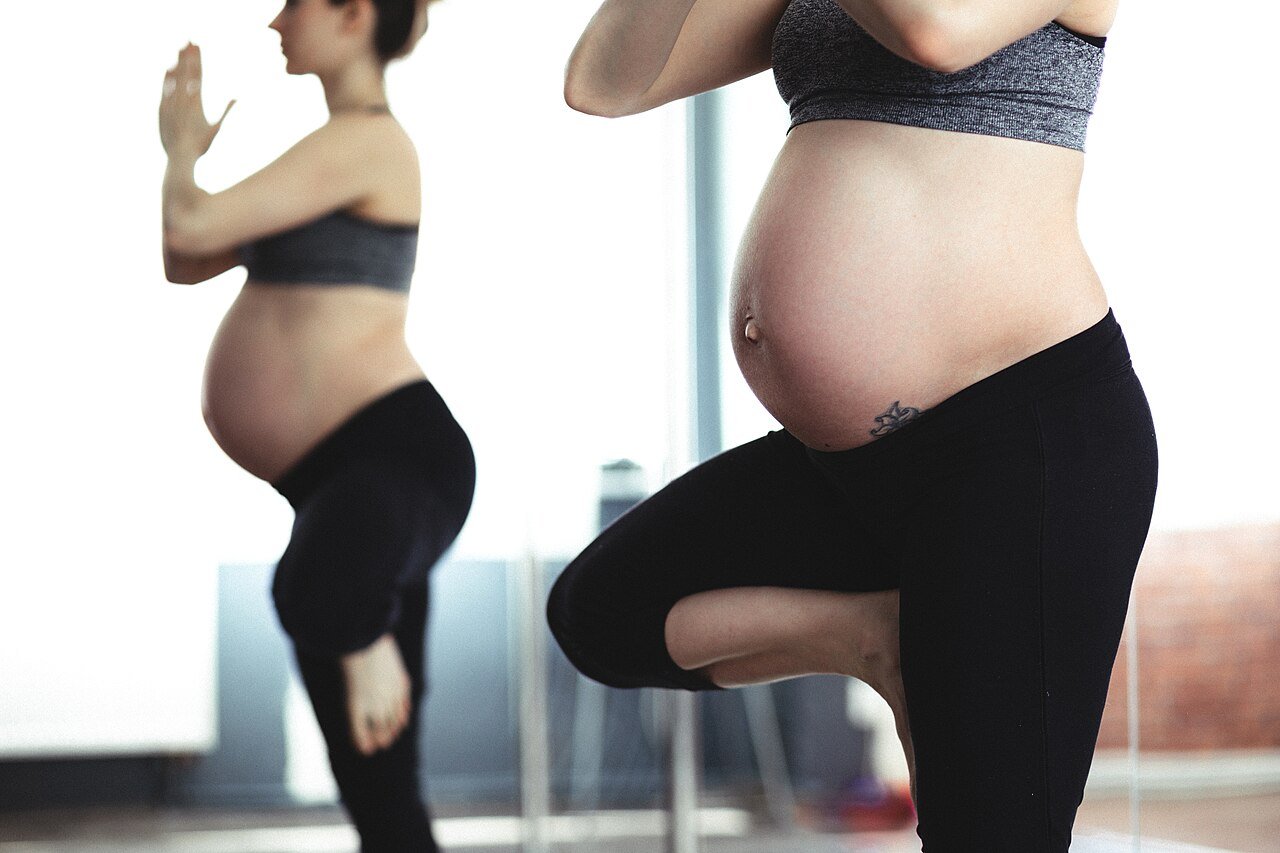
- Avoid standing on one leg for long, like putting on pants standing up — sit down instead.
- Distribute your weight evenly on both feet, and avoid crossing your legs while seated.
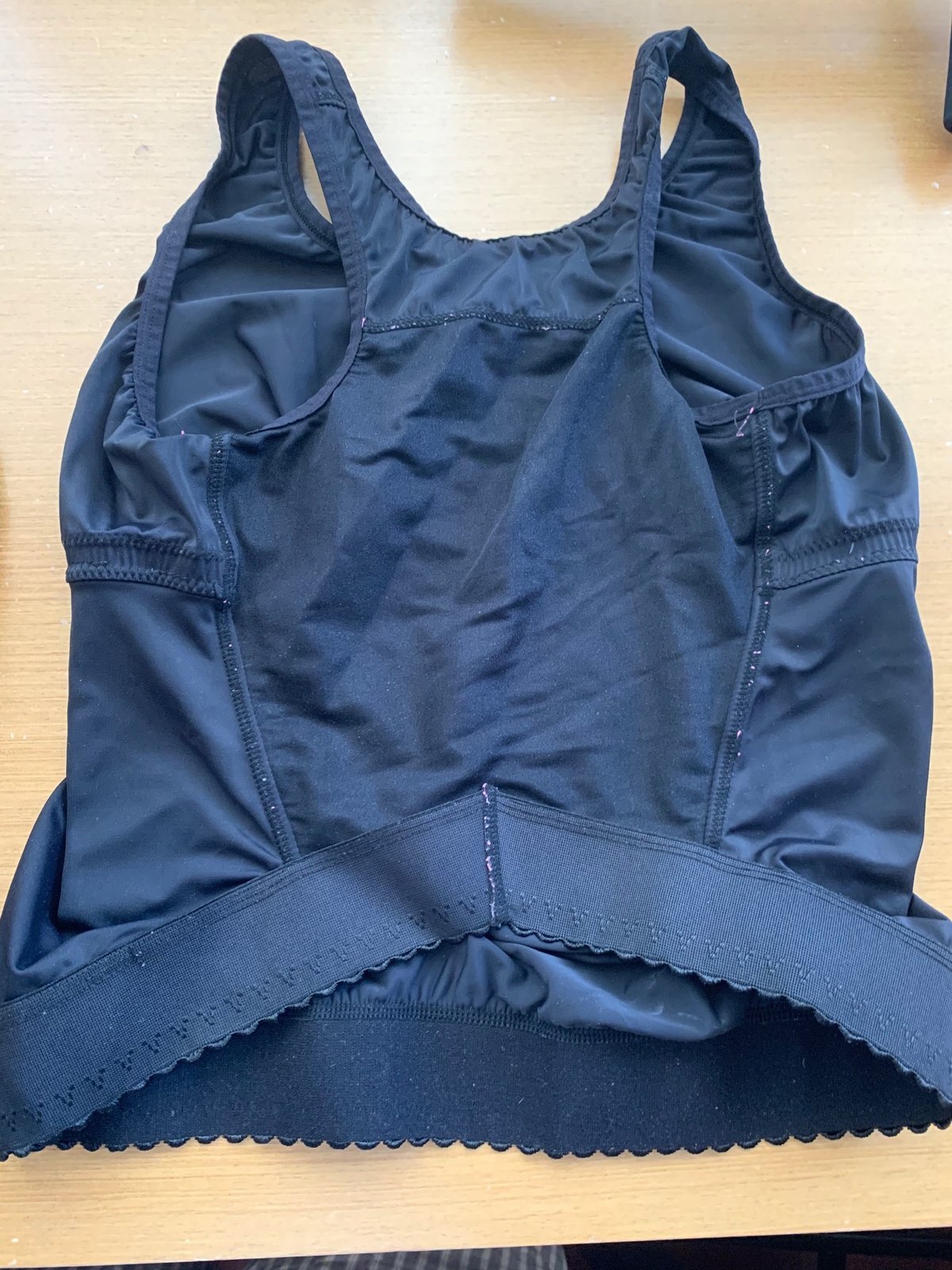
- Ask about a pregnancy support belt for the pelvis — it can significantly ease the feeling of instability.
- Keep up gentle, regular movement like light walking, since complete inactivity can increase stiffness and pain.
In most cases, this pain eases after birth as hormone levels return to normal. But if the pain is severe and limiting your daily movement, don't hesitate to ask for a referral to a physical therapist specializing in pregnancy — there are exercises and techniques that bring noticeable relief and are completely safe for you and your baby.