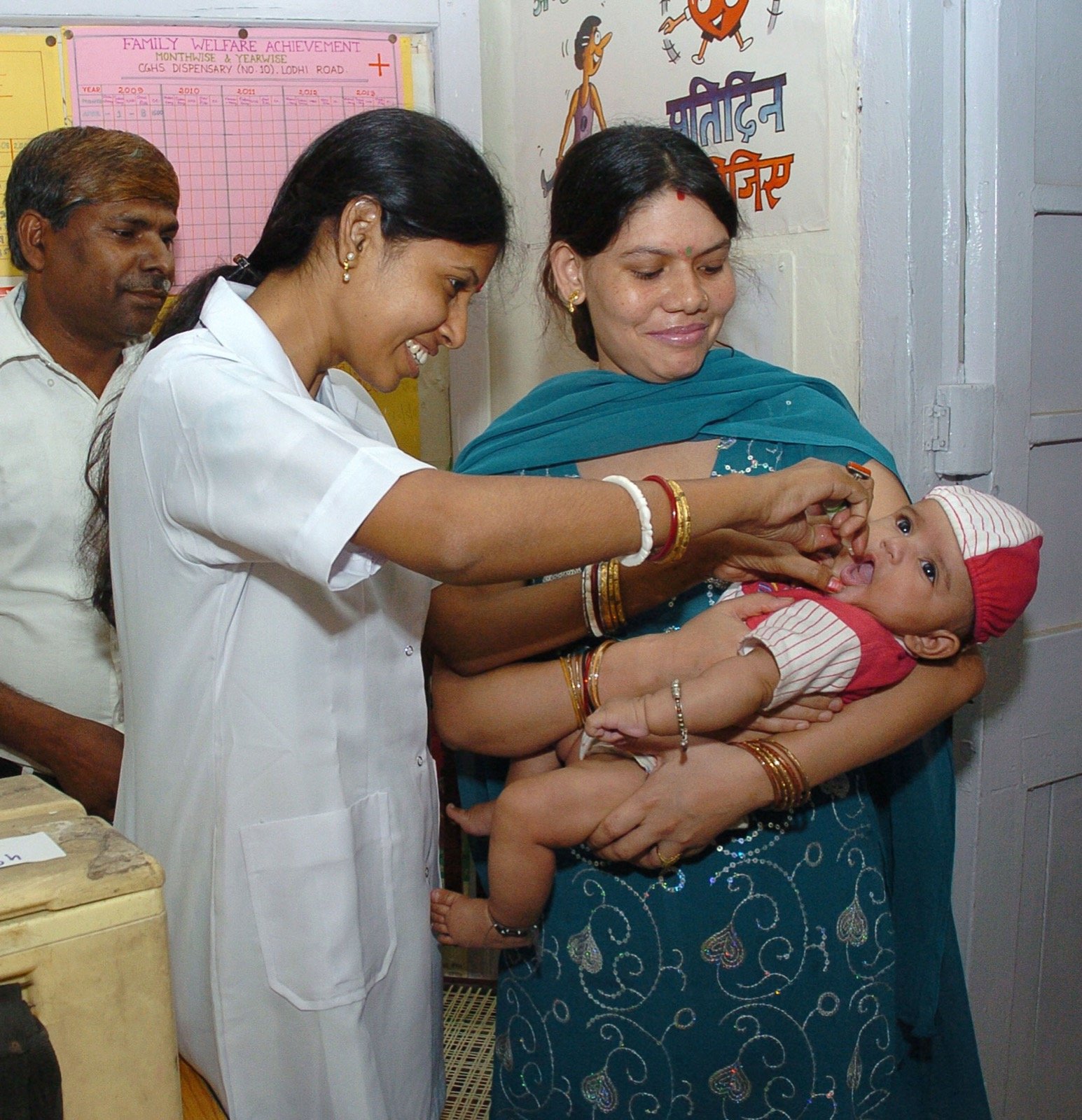
Vaccination schedules vary slightly between countries, but the general framework is similar: repeated doses at two, four, and six months, then booster doses between one and one-and-a-half years, and more around age two.
The General Idea Behind the Schedule
Most vaccines need multiple doses to build complete, lasting immunity, so missing an appointment usually doesn't mean restarting the series from scratch — just continuing it as soon as you can. Keep the vaccination record somewhere you can easily reach.
Handling Vaccination Day
Mild fever and fussiness after a vaccine are common and normal for a day or two afterward. Extra nursing and plenty of rest help your baby recover quickly. Ask the nurse about the right fever-reducer dose if needed.
- Don't delay vaccines without a clear medical reason — the schedule is designed to protect your baby during their most vulnerable immune periods.
- Bring the vaccination booklet to every visit, even ones that seem unrelated.
- Ask the doctor about any additional seasonal vaccines recommended (like flu) based on your baby's age and country.
- Keep a digital copy of the vaccination record on your phone for emergencies or travel.