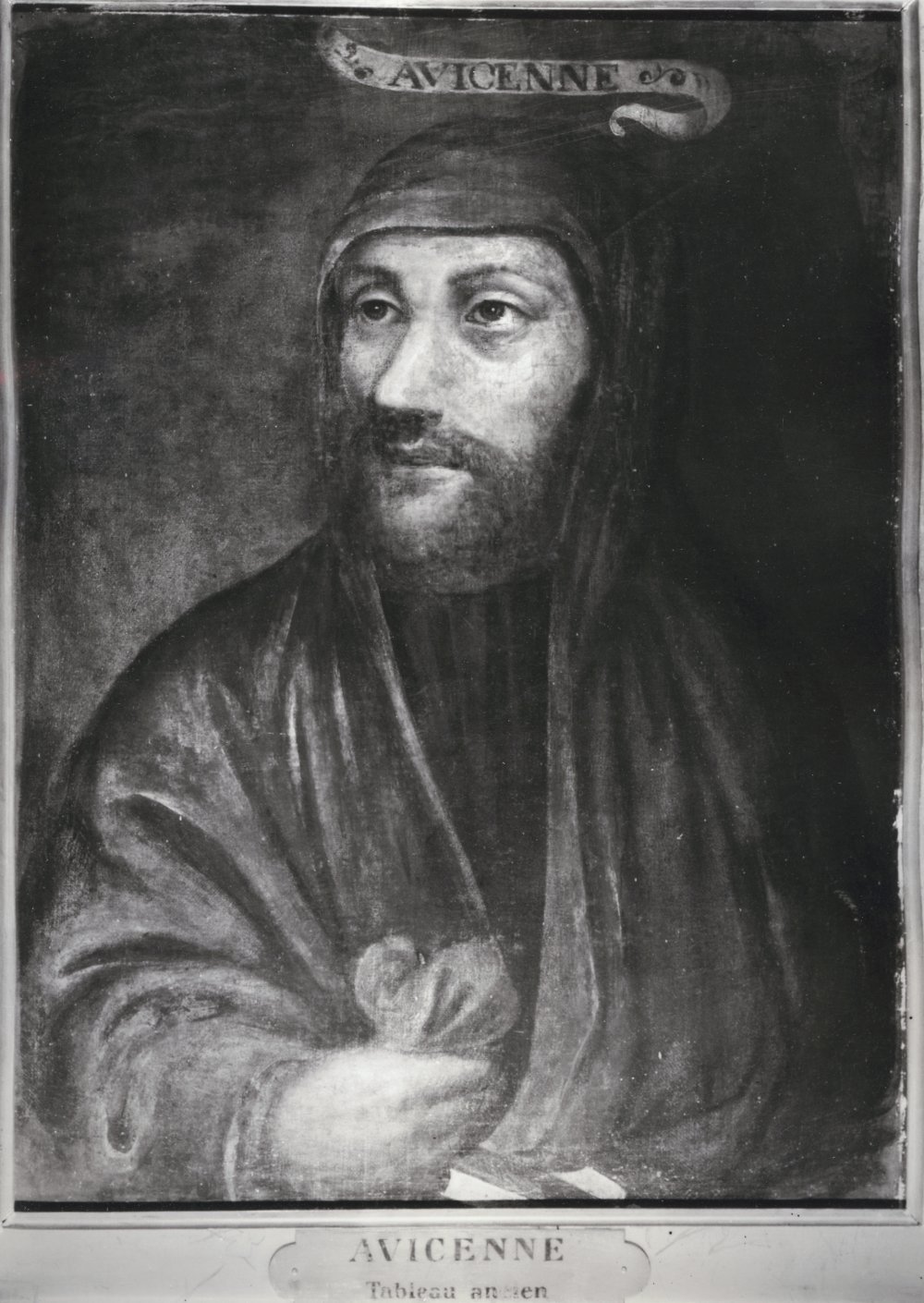
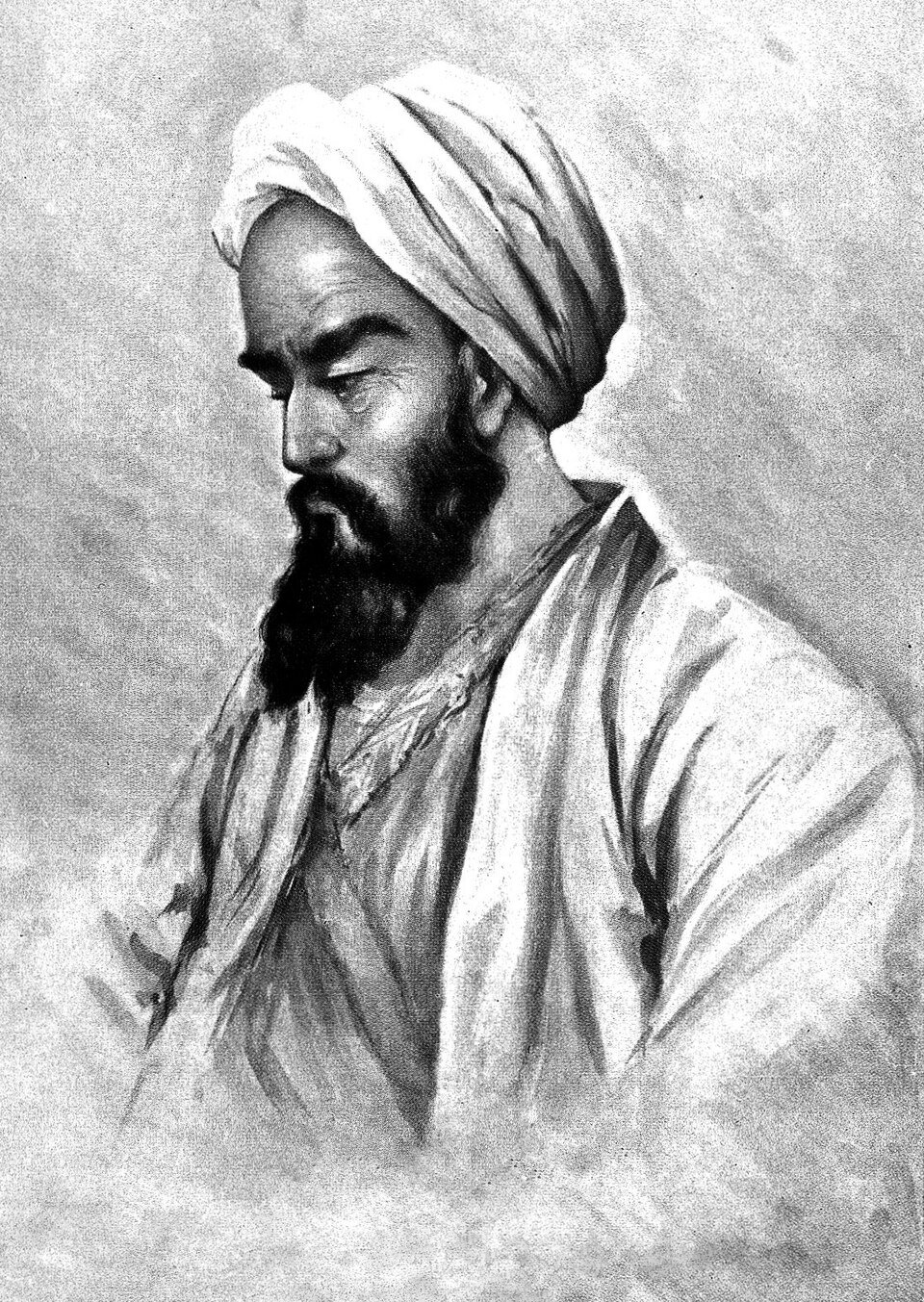
Abu Bakr Muhammad ibn Zakariya al-Razi was born in the city of Rayy, near modern-day Tehran, and in his youth pursued music, philosophy, and chemistry before turning to the study of medicine relatively late in life. He headed the hospital in Rayy before moving to Baghdad, where he oversaw one of its largest hospitals, and became known for his meticulous clinical observation and his empirical method of examination and diagnosis before treatment.
Contributions to Medicine and Chemistry
Al-Razi is credited as the first physician to clinically distinguish smallpox from measles, describing the differences between them precisely in a dedicated treatise that remained a medical reference for centuries. He authored his vast medical encyclopedia Al-Hawi, gathering the fruits of his clinical experience alongside the views of earlier physicians; it was later translated into Latin as Continens and remained taught in European universities into the Renaissance. Al-Razi was also deeply engaged in practical chemistry, developing laboratory tools and equipment, using alcohol for medical purposes, and establishing ethical principles for medical practice centered on patient care and treatment simplicity.
- First to clinically distinguish smallpox from measles in a dedicated treatise
- Authored Al-Hawi, the most extensive medical reference of his era
- Developed chemical apparatus and medical applications of alcohol
- Established ethical principles for medical practice and patient care
Al-Razi died after losing his eyesight in his later years, leaving behind an immense medical and chemical legacy that influenced both the Islamic world and Europe for centuries afterward. Some of his works were later translated into additional European languages beyond Latin, further widening his influence on the development of medicine across the centuries.