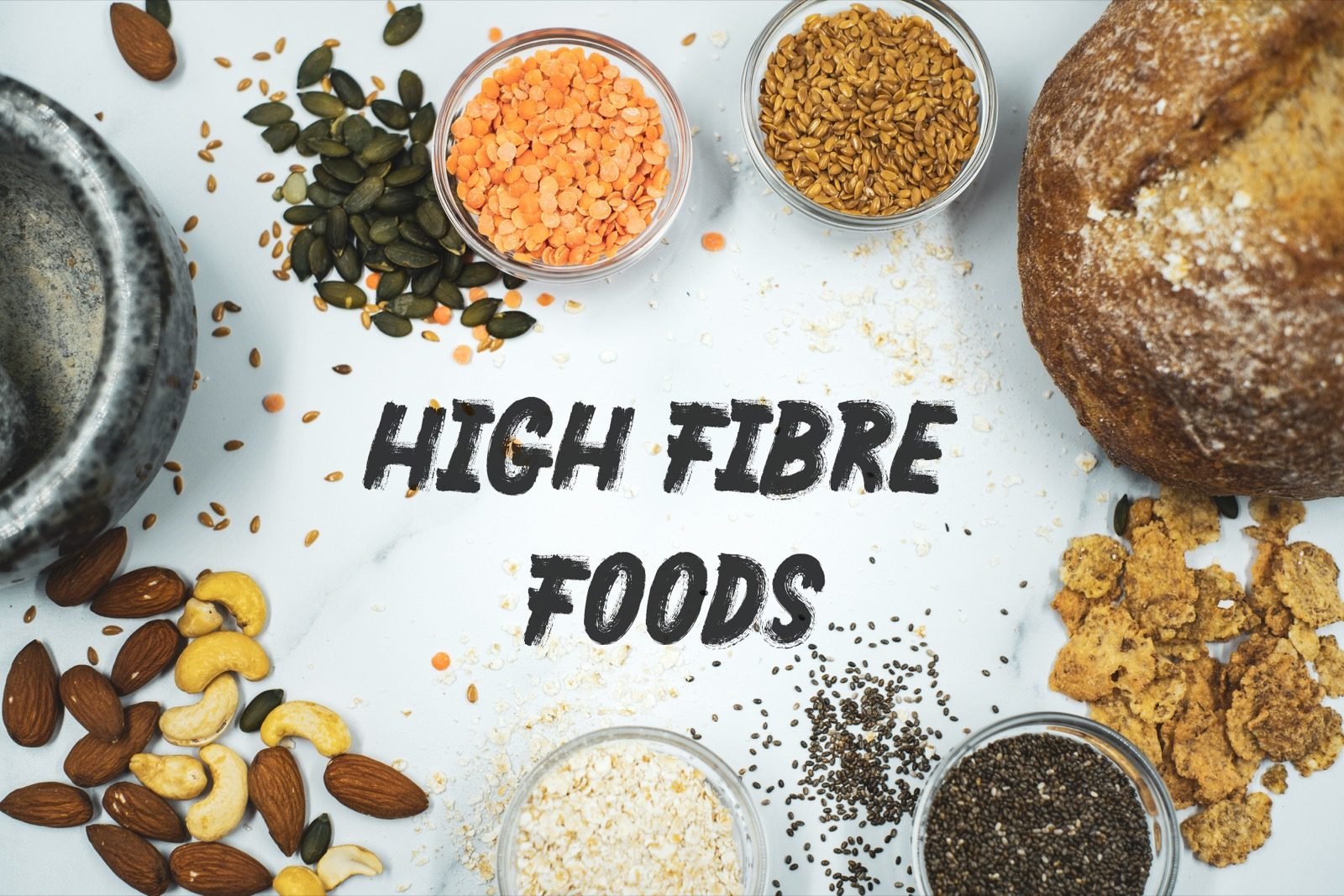
When we talk about nutrition, protein and vitamins usually steal the spotlight, while a simple but essential element gets overlooked: dietary fiber. Fiber is found in vegetables, fruits, whole grains, and legumes. It is not actually digested by the body, yet it plays vital roles as it moves through your digestive system.
What Does Fiber Actually Do?
There are two main types of fiber. Soluble fiber absorbs water and turns into a gel-like substance that helps lower cholesterol and steady blood sugar. Insoluble fiber adds bulk to stool and keeps things moving smoothly through the intestines. Both types matter, and you often get them together in the same food, like oats or apples.
Why Does Fiber Matter Especially for Women?
Fiber helps you feel full for longer, making it a natural ally for managing appetite without feeling deprived. It is also linked to better hormonal balance and heart health — two areas that deserve more attention as we get older. Fiber also feeds the beneficial gut bacteria that recent research connects to improved mood and immunity.
How to Add More Fiber Without Overcomplicating Things
- Start your day with a bowl of oats or whole-grain bread instead of refined white bread.
- Add a handful of legumes (lentils, chickpeas, beans) to at least one meal a day.
- Keep the edible skin on fruits like apples and pears instead of peeling them.
- Spread your fiber intake throughout the day and drink enough water alongside it to avoid bloating.
If you have chronic digestive issues or persistent abdominal pain, it is best to consult your doctor before making major changes to your diet.